Imagine running a growing business where every day brings new customers, fresh inquiries, and important conversations. At first, keeping track of everything feels easy. A spreadsheet here, a notebook there, and maybe a few email folders seem enough. But as the business grows, things start slipping through the cracks. A customer who wanted a callback never receives one. A promising lead gets forgotten. A loyal client becomes frustrated because their previous conversations cannot be found quickly. This situation happens more often than most business owners realize. The good news is that there is a simple solution. Contact Management Software helps businesses organize customer information, track interactions, manage leads, and build stronger relationships without the chaos of scattered data. Whether you are a small business owner in the UK or part of a large sales team, having a reliable system for customer contact management can transform how you work. Modern contact manager software goes far beyond storing phone numbers. It helps businesses understand customers better, improve communication, automate repetitive tasks, and create more meaningful relationships. In today’s competitive market, the companies that know their customers best often win, and that is exactly where contact management software makes a difference.
What Is Contact Management Software and Why Has It Become Essential?
Image source: Pexels
A few years ago, many businesses managed customer details using spreadsheets and paper records. While that worked for a small number of contacts, it quickly became difficult as customer lists expanded. Contact Management Software was created to solve this problem by storing all customer information in one organized location. Instead of searching through multiple systems, businesses can instantly access customer names, phone numbers, email addresses, communication history, meeting notes, purchase records, and follow-up reminders. This creates a complete picture of every customer relationship. Modern contact database software helps teams stay organized, reduce mistakes, and improve customer experiences. It also helps businesses build trust because employees always have the information they need when speaking with customers. Many organizations begin with contact management tools before moving to a complete CRM platform. If you are new to customer relationship technology, learning about what CRM software is can help you understand how contact management fits into a broader business strategy. Today, customer relationship management has become one of the most important investments for companies that want long-term growth.
How Customer Contact Management Helps Businesses Grow Faster
Image source: Pixabay
Think about a sales representative who talks to dozens of potential customers every week. Without a proper system, remembering every conversation becomes nearly impossible. One missed follow-up could mean losing a valuable opportunity. This is where customer contact management becomes a game changer. Contact tracking software records every interaction, whether it happens through email, phone calls, meetings, or messages. Sales teams can quickly review previous conversations and continue discussions without asking customers to repeat themselves. This creates a more professional and personalized experience. Businesses also gain valuable insights into customer preferences, buying habits, and engagement history. According to various CRM industry reports, organizations that maintain organized customer records often improve productivity and customer retention because they respond faster and make more informed decisions. Companies looking to improve lead generation and follow-up processes frequently combine contact management with a lead management CRM strategy. By creating a clear record of every interaction, businesses can strengthen relationships, improve customer satisfaction, and increase sales opportunities over time.
Key Features Every Modern Contact Manager Software Should Offer
Image source: Pixabay
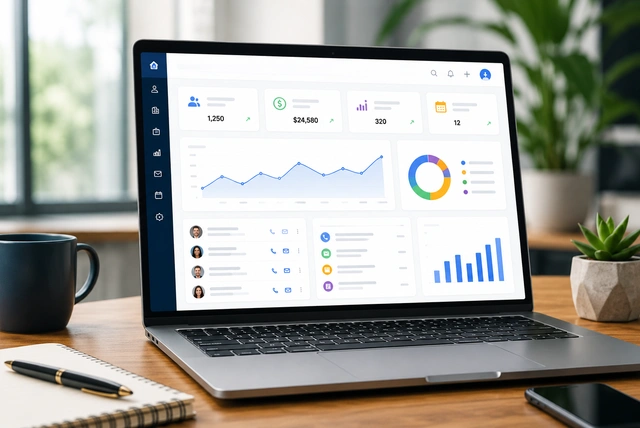
Imagine purchasing a new software platform only to discover it cannot automate tasks, track customer interactions, or provide useful reports. That is why understanding features is so important before making a decision. The best contact manager software does much more than store names and phone numbers. It includes customer data management tools, communication tracking, lead management systems, task reminders, calendar integration, reporting dashboards, and sales pipeline management capabilities. Many platforms also provide mobile apps so teams can access information while travelling or working remotely. Automation has become another essential feature because it reduces manual work and helps employees focus on building relationships instead of updating records. Businesses evaluating software options should carefully compare available functionality and future scalability. Exploring important CRM features can help identify which tools support both current and future business goals. A strong contact management CRM should simplify daily operations, improve team collaboration, and provide valuable insights that help organizations make smarter decisions.
Contact Management Software vs CRM Software: Understanding the Difference
Image source: Pixabay
One of the most common questions business owners ask is whether they need contact management software or a complete CRM software solution. The answer depends on their goals. Contact management software focuses mainly on storing and organizing customer information. It helps businesses manage contacts, track communication history, and maintain accurate customer records. CRM software includes all of these capabilities but expands further into sales pipeline management, marketing automation, customer support, analytics, forecasting, and workflow automation. You can think of contact management software as the foundation, while CRM software builds an entire customer relationship ecosystem on top of it. Many small businesses begin with contact organization tools and later upgrade as their operations become more complex. Businesses comparing solutions can learn more through guides covering CRM software and modern customer relationship management strategies. Understanding this difference helps companies choose technology that matches their current needs while supporting future growth. The right solution should not only solve today’s challenges but also prepare the business for tomorrow’s opportunities.
The Rise of AI and Automation in Contact Management CRM
Image source: Pixabay
Not long ago, updating customer records was a task that consumed hours of valuable employee time. Sales representatives manually entered contact details, recorded notes, and created reminders. Today, artificial intelligence and automation are changing everything. Modern contact management CRM platforms can automatically capture customer information, track communications, assign leads, schedule follow-ups, and generate reports. AI-powered tools can even identify promising opportunities and predict customer behavior based on previous interactions. According to industry trends reported by Pipedrive and Contacts+, automation is becoming one of the most important developments in customer relationship management because it helps businesses save time while improving accuracy. Companies interested in increasing productivity often invest in advanced CRM automation features that eliminate repetitive tasks. Instead of spending hours managing data, employees can focus on what matters most: building meaningful customer relationships. As AI technology continues to evolve throughout 2026, businesses that embrace intelligent automation are likely to gain a significant competitive advantage.
Why Cloud-Based Contact Management Software Is Becoming the New Standard
Image source: Pixabay/Pexels
Imagine a sales manager working from London, a support representative helping customers from Manchester, and a business owner travelling across Europe. Years ago, accessing the same customer information from different locations was difficult and expensive. Today, cloud-based contact management software makes it possible for everyone to access customer data securely from anywhere. This flexibility has become especially important as remote and hybrid working models continue to grow. Cloud platforms automatically update records in real time, ensuring every team member works with the latest information. They also reduce hardware costs because businesses do not need to maintain expensive on-site servers. Companies exploring digital transformation often compare cloud CRM software and cloud-based CRM systems because these solutions offer scalability, security, and convenience. As customer expectations continue to rise, businesses need fast access to accurate information, and cloud technology provides exactly that. For many organizations, cloud-based customer relationship management is no longer a future trend but a present-day necessity.
Best Contact Management Software Solutions in 2026
Choosing the right contact management software can feel overwhelming because there are dozens of platforms available. However, a few names consistently appear among the most trusted solutions. Zoho CRM is popular with small and medium-sized businesses because it combines affordability with strong automation features. HubSpot CRM remains a favorite for businesses seeking a user-friendly platform with free entry-level options. Pipedrive is known for its powerful sales pipeline management tools, while Bitrix24 offers collaboration features that support remote teams. Act! CRM continues to serve businesses that want a traditional relationship management software experience, and SugarCRM provides advanced customization for organizations with complex needs. According to TechRadar’s contact management software review, these platforms continue to lead the market because they combine contact organization tools, automation, reporting, and customer relationship management capabilities. Businesses searching for the best CRM tools should focus on solutions that align with their goals rather than simply choosing the most popular option. The best software is the one that helps teams stay organized, productive, and customer-focused.
How Small Businesses Can Choose the Right Contact Database Software
For many small business owners, selecting software is not just about features. It is about finding a solution that delivers value without creating unnecessary complexity. Imagine a local business that only needs to manage a few hundred customer records. Purchasing an enterprise-level platform may lead to wasted money and unused features. Instead, businesses should focus on ease of use, scalability, integration capabilities, customer support, and pricing. A good contact database software solution should be simple enough for employees to adopt quickly while offering room for future growth. Mobile access has also become increasingly important because teams often work from different locations. Businesses comparing options should explore resources covering CRM software for small businesses and affordable CRM solutions. Taking time to evaluate needs before purchasing can prevent costly mistakes and ensure the software continues to support business growth for years to come.
Best Practices for Getting Maximum Value from Contact Management Software
Buying software is only the first step. Success depends on how well the platform is implemented and used. Many businesses invest in powerful systems but fail to achieve results because employees do not follow consistent processes. A successful implementation begins with cleaning existing customer data and removing outdated records. Teams should establish clear guidelines for entering information so that records remain accurate and useful. Regular training sessions help employees understand how to use the software effectively, while reporting dashboards can reveal opportunities for improvement. Businesses should also integrate contact management software with email platforms, marketing tools, and customer service systems whenever possible. According to Nextiva’s contact management guide, maintaining accurate data and encouraging consistent adoption are among the most important factors for long-term success. When businesses treat customer data as a valuable asset rather than an administrative task, they gain deeper insights and stronger customer relationships.
Contact Management Trends Businesses Should Watch in 2026
The world of customer relationship management continues to evolve rapidly. Artificial intelligence is becoming more sophisticated, helping businesses identify sales opportunities and automate routine activities. Data enrichment tools are reducing manual entry by automatically collecting customer information from multiple sources. Unified customer views are becoming more common, allowing businesses to see every interaction across sales, marketing, and support teams within a single dashboard. Automation-first workflows are also helping organizations respond faster to customer inquiries while improving productivity. According to Pipedrive’s CRM trends report, businesses that embrace AI, automation, and data-driven decision-making are likely to gain a significant competitive advantage. These developments show that contact management software is no longer simply a digital address book. It has evolved into a strategic business tool that helps organizations understand customers, improve experiences, and drive long-term growth.
Disclaimer: Software features, pricing, integrations, and availability may change over time. Always verify current information directly with the software provider before making a purchasing decision. This article is for informational purposes only and should not be considered professional business advice.
Final Thoughts
Every successful business relationship begins with a conversation, but lasting success depends on how well those conversations are remembered and managed. Contact Management Software gives businesses the tools needed to organize customer information, improve communication, manage leads, and strengthen relationships. From simple contact organization tools to advanced customer relationship management platforms powered by artificial intelligence, today’s solutions help businesses work smarter and serve customers better. Whether you are exploring your first contact manager software or upgrading an existing CRM system, the right technology can create significant improvements in productivity, customer satisfaction, and business growth. The companies that invest in understanding and managing customer relationships today will be better positioned to succeed tomorrow. For businesses across the UK and beyond, contact management software is no longer a luxury—it has become an essential part of sustainable growth.
Frequently Asked Questions
What is contact management software?
Contact management software is a system that helps businesses store, organize, and track customer information. It keeps communication history, contact details, notes, and follow-up activities in one centralized location.
Is contact management software different from CRM software?
Yes. Contact management software focuses mainly on organizing customer information, while CRM software includes additional tools such as sales pipeline management, marketing automation, analytics, customer service, and workflow automation.
Why does a business need customer contact management software?
Businesses use customer contact management software to improve organization, strengthen customer relationships, track interactions, automate follow-ups, and increase productivity across sales and support teams.
How much does contact management software cost?
Pricing varies depending on features and providers. Some platforms offer free plans, while advanced CRM solutions may cost several pounds per user each month. Enterprise solutions typically have custom pricing.
What are the most important features of contact database software?
Important features include contact storage, communication tracking, lead management, task automation, reporting, mobile access, integrations, customer data management, and sales pipeline management.
Can small businesses benefit from contact management CRM systems?
Absolutely. Small businesses often benefit the most because contact management CRM platforms help them stay organized, improve customer service, automate repetitive tasks, and compete more effectively with larger organizations.