Imagine walking into your office on a busy Monday morning. Before you’ve even finished your first cup of coffee, customer emails are piling up, live chat notifications are popping up every few seconds, and your support team is struggling to keep up. One customer wants an update on an order, another needs technical assistance, and someone else is posting complaints on social media. As the day goes on, it becomes harder to keep track of who has been helped and who is still waiting. For many businesses, this situation feels all too familiar. The challenge is not a lack of effort from support teams. The real problem is the lack of a system that keeps everything organized. This is where Help Desk Software becomes a game changer. Modern help desk solutions help businesses manage customer conversations, automate repetitive tasks, improve response times, and create better customer experiences. In 2026, companies across the UK are investing in help desk ticketing systems and customer support software because customers expect quick, seamless service across multiple channels. Whether you run a small business, an online store, or a large enterprise, choosing the right support ticket system can transform the way you serve customers and grow your business.
What Is Help Desk Software and Why Has It Become Essential in 2026?

Image source: pexels.com
A few years ago, many businesses managed customer support through shared inboxes, spreadsheets, and manual tracking. It seemed manageable when support requests were low, but growth quickly exposed the weaknesses of those systems. Imagine searching through hundreds of emails just to find a previous conversation with a customer. Now multiply that challenge by dozens of agents and hundreds of daily support requests. Help Desk Software solves this problem by creating a centralized location where every customer inquiry becomes a trackable ticket. Instead of jumping between different tools, support teams can view all requests in one place, assign tasks, monitor progress, and ensure nothing falls through the cracks. According to HelpDesk, modern platforms now combine ticket management, automation, collaboration tools, and AI-powered assistance to improve support efficiency. Many businesses that already use CRM software are integrating help desk solutions to create a complete view of the customer journey. In a world where customer expectations continue to rise, businesses are discovering that customer support software is no longer a luxury but an essential tool for maintaining trust and loyalty.
The Core Features Every Modern Help Desk Ticketing System Should Have

Image source: pexels.com
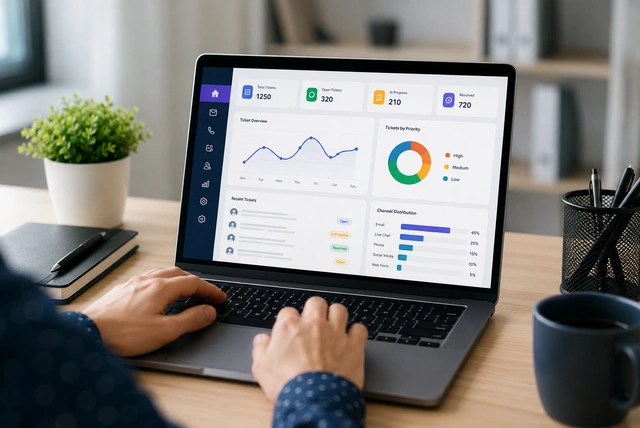
Think of a support team as an air traffic control center. Every customer request is like a plane arriving from a different direction. Without proper coordination, confusion quickly takes over. The best help desk software provides the tools needed to keep everything organized. A strong help desk ticketing system automatically converts emails, chats, web forms, and social media messages into tickets that can be tracked from start to finish. Omnichannel support ensures that customers receive the same quality experience regardless of how they contact the business. According to Zoho Desk, businesses increasingly expect support systems to connect multiple communication channels within a single interface. Advanced ticket management software includes ticket categorization, tagging, prioritization, and escalation workflows. Many platforms also include knowledge base software that allows customers to find answers themselves before contacting support. Businesses seeking to improve customer experiences often combine these features with CRM features and CRM automation features to create a connected customer service platform that improves efficiency and satisfaction.
How Help Desk Automation Saves Time and Improves Customer Satisfaction

Image source: pexels.com
Imagine a customer reporting a technical issue late at night. Instead of waiting until the next morning for someone to review the request, the system automatically identifies the issue type, assigns it to the correct department, and notifies the appropriate team. That is the power of help desk automation. According to Efficient App, automated workflows significantly reduce manual tasks while improving response times. Features such as automatic ticket routing, SLA monitoring, priority assignment, and escalation management help teams stay productive even during busy periods. Automation is particularly valuable for growing businesses because it allows support teams to handle larger ticket volumes without increasing staffing costs. Customers benefit because their requests reach the right person faster. Businesses using cloud CRM software and cloud-based CRM systems often integrate automation across sales, marketing, and support functions to create a smoother customer experience. In many cases, automation not only reduces operational costs but also strengthens customer trust by delivering faster and more consistent service.
The Biggest Benefits of Help Desk Software for UK Businesses

Image source: pexels.com
Every growing business eventually reaches a point where customer support becomes difficult to manage manually. A small online retailer might suddenly experience a surge in orders, while a software company may find itself handling more technical support requests than ever before. Help Desk Software helps businesses maintain quality service even as demand grows. One major benefit is faster response times because tickets are automatically organized and routed to the correct agents. Another advantage is improved collaboration, as team members can share notes, track conversations, and work together on complex cases. According to The Knowledge Academy, businesses using structured support systems often improve customer satisfaction while reducing operational inefficiencies. Reporting and analytics tools also provide valuable insights into support performance, recurring issues, and customer trends. UK businesses looking to strengthen customer relationships frequently combine support tools with solutions featured in guides covering top CRM platforms and the best CRM tools. The result is better service, stronger customer retention, and more sustainable business growth.
Best Help Desk Software Comparison for Businesses in 2026
Image source: pexels.com
Choosing a help desk solution can feel overwhelming because there are so many options available. Each platform has strengths that appeal to different types of businesses. According to reviews and rankings published by CRM.org and The CX Lead, several platforms consistently stand out. Zendesk remains a leading choice for larger organizations due to its advanced automation and omnichannel support capabilities. Freshdesk is popular among startups and small businesses because of its user-friendly interface and flexible pricing. Zoho Desk offers strong customization and seamless integration with the Zoho ecosystem. HubSpot Service Hub combines customer support with CRM functionality, making it attractive for businesses focused on customer relationships. Jira Service Management continues to be a favorite among IT teams because of its IT service management and service request management capabilities. ServiceNow dominates many enterprise environments, while Help Scout and Hiver appeal to businesses looking for simplicity and fast deployment. The best solution ultimately depends on your budget, support volume, technical requirements, and long-term growth plans.
How to Choose the Best Help Desk Software for Your Business

Image source: pexels.com
Imagine buying a powerful machine packed with features that your team never uses. Unfortunately, many businesses make this mistake when selecting help desk software. The best platform is not always the most expensive or the most popular. It is the one that solves your specific problems. Start by understanding how customers contact your business. Do they mostly use email, phone, live chat, or social media? Next, consider how many support tickets your team handles each day and whether you expect that number to grow. According to ManageEngine, scalability is one of the most important factors when evaluating service desk software. Businesses should also look for reporting capabilities, integrations, automation options, and mobile accessibility. If you are a growing company, resources discussing CRM software for small businesses can provide valuable insight into building a technology stack that supports future growth. The goal is to choose a solution that works for your business today while remaining flexible enough to support tomorrow’s challenges.
Common Mistakes Businesses Make When Choosing Help Desk Solutions

Image source: pexels.com
Many business owners approach software purchasing with excitement, but small mistakes during the selection process can create long-term problems. One common mistake is focusing only on price. While budget matters, choosing the cheapest platform may lead to limitations that become costly later. Another mistake is ignoring integration capabilities. Help desk software should work smoothly with CRM systems, communication tools, and other business applications. Businesses also sometimes underestimate future growth and choose platforms that cannot scale as support demand increases. According to SolarWinds, businesses should evaluate reporting, automation, and workflow management capabilities before making a decision. Another common issue is failing to involve support agents in the evaluation process. The people using the software every day often provide the most valuable feedback. By avoiding these mistakes, organizations can select help desk solutions that improve productivity, customer satisfaction, and operational efficiency.
Why AI, Knowledge Bases, and Omnichannel Support Are Shaping the Future

Image source: pexels.com
Think about how customer expectations have changed over the last decade. Customers no longer want to wait hours or days for answers. They expect fast, personalized support regardless of the channel they choose. This shift is driving innovation across the help desk software industry. According to Freshdesk, AI-powered support capabilities are becoming standard features rather than premium extras. Modern systems can automatically categorize tickets, suggest responses, summarize conversations, and even identify urgent issues before agents review them. Knowledge base software is also becoming more important because customers increasingly prefer self-service options when searching for answers. Omnichannel support ensures customers can switch between email, chat, social media, and phone support without losing context. These innovations are helping businesses reduce response times, improve customer satisfaction, and manage larger support volumes with fewer resources. In 2026, organizations that embrace automation and intelligent workflows are gaining a significant competitive advantage.
Why Help Desk Software and CRM Systems Work Better Together

Image source: pexels.com
Imagine a support agent speaking with a customer and instantly seeing their purchase history, previous support requests, and account information. That level of visibility can dramatically improve service quality. This is why many businesses are integrating customer support software with CRM systems. When support teams have access to customer data, they can provide faster and more personalized assistance. Sales teams also benefit because they gain insights into customer concerns and satisfaction levels. Businesses researching CRM software often discover that combining CRM and help desk functionality creates a more connected customer experience. The integration helps eliminate information silos, improves collaboration between departments, and provides a complete view of every customer interaction. As businesses continue to focus on customer retention and long-term relationships, the connection between CRM platforms and support ticket systems is becoming increasingly valuable.
Our Research Process at The Tech News
Image source: pexels.com
At The Tech News, we regularly review business software used by UK startups, small businesses, and enterprise organizations. For this guide, we analyzed information from leading help desk vendors, industry publications, software comparison platforms, and customer support experts. We focused on features, automation capabilities, ticket management functionality, knowledge base support, omnichannel communication, scalability, and overall business value. Our goal is to provide practical information that helps businesses make informed decisions based on their needs rather than marketing claims alone. Because software platforms evolve quickly, businesses should always verify pricing, integrations, and feature availability directly with vendors before making purchasing decisions.
Every successful business eventually reaches a point where customer support becomes too important to leave to spreadsheets, shared inboxes, and manual processes. Help Desk Software provides the structure needed to manage growing customer expectations while improving efficiency and service quality. From ticket management software and support ticket systems to advanced service desk software with AI-powered automation, modern platforms help businesses create better customer experiences at every stage of the journey. Whether you run a startup, an established SME, or a large enterprise in the UK, investing in the right help desk solution can strengthen customer relationships, improve team productivity, and support long-term growth. The businesses that thrive in 2026 will be those that combine technology, automation, and human support to create exceptional customer experiences. Take the time to evaluate your options, understand your needs, and choose a solution that will help your team deliver outstanding service for years to come.
Frequently Asked Questions
What is Help Desk Software?
Help Desk Software is a platform that helps businesses manage, track, and resolve customer or employee support requests. It centralizes communication, automates workflows, and improves response times across multiple support channels.
What is the difference between a help desk ticketing system and service desk software?
A help desk ticketing system focuses on managing and resolving support requests, while service desk software often includes broader IT service management features such as asset tracking, change management, and service request management.
How much does help desk software cost in the UK?
Costs vary depending on the provider, features, and number of users. Some platforms offer free plans for small teams, while enterprise solutions may cost hundreds or thousands of pounds each month.
Is help desk software suitable for small businesses?
Yes. Many providers offer affordable plans specifically designed for startups and SMEs. These solutions provide ticket management, automation, reporting, and customer support tools without requiring a large budget.
Can help desk software integrate with CRM platforms?
Most modern customer support software solutions integrate with CRM systems. This allows businesses to access customer history, purchase information, and previous interactions within a single interface.
Why is omnichannel support important?
Omnichannel support ensures customers receive a consistent experience whether they contact a business through email, live chat, phone, social media, or web forms. It helps improve satisfaction and reduces communication gaps.
Disclaimer: The information in this article is based on publicly available data, vendor resources, software reviews, and industry publications available as of June 2026. Software features, pricing, integrations, and capabilities may change over time. Readers should verify information directly with software providers before making purchasing decisions.