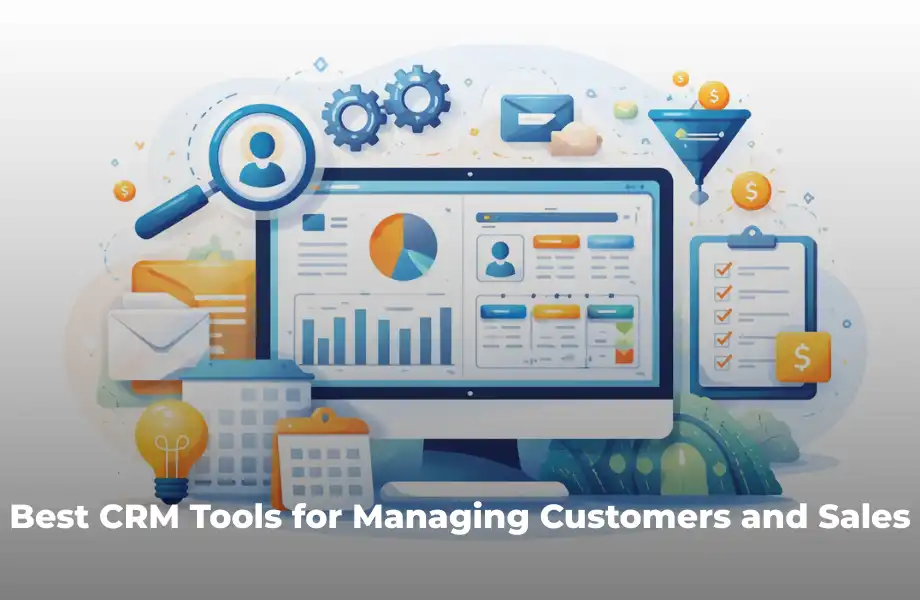
Managing customers effectively is one of the most important tasks for any business. Companies need systems that help them organize customer information, track interactions, and improve communication across sales and marketing teams. This is where CRM tools play a major role. Customer relationship management tools help businesses store customer data, manage sales pipelines, and automate marketing activities.
Modern CRM software tools provide a centralized platform where businesses can track leads, manage deals, and understand customer behavior. According to Microsoft, CRM tools help organizations manage customer data and interactions across sales, marketing, and service teams to improve business relationships.
In this guide by The Tech News, we explore the best CRM tools for business, explain their key features, and help you choose the right customer management tools for your company.
What Are CRM Tools and Why Businesses Need Them
CRM tools are software platforms designed to help businesses manage and improve relationships with customers. These tools store important information such as customer contact details, purchase history, communication records, and sales activities. By organizing this data in one place, businesses can understand their customers better and provide more personalized services.
CRM tools are widely used by sales, marketing, and customer support teams. They help track leads, monitor deals, automate follow-ups, and improve communication with customers. Businesses that want to understand the fundamentals of CRM systems can read our guide on what is CRM software. When used effectively, CRM systems improve customer satisfaction, increase sales productivity, and help businesses grow faster.
Main Features of Modern CRM Software Tools
Most modern CRM software tools include several powerful features that help businesses manage customers and sales operations efficiently. These platforms combine sales management, marketing automation, reporting, and communication tools in one system. According to Creatio, CRM tools help companies manage the entire customer lifecycle from lead generation to long-term customer loyalty.
By using these tools, businesses can track customer interactions, automate routine tasks, and gain valuable insights from data. CRM platforms also integrate with other business systems such as email marketing tools, analytics software, and eCommerce platforms to improve overall efficiency.
Contact and Customer Data Management
One of the core functions of CRM software tools is storing and organizing customer information. Businesses can keep contact details, communication history, notes, and transaction records in a centralized database. This helps employees access customer information quickly and provide better service. With accurate customer data available, teams can personalize communication and build stronger relationships with clients.
Sales Pipeline and Deal Tracking
Sales CRM tools help businesses monitor potential deals throughout the sales process. According to Pipedrive, CRM platforms allow sales teams to visualize pipelines and track deals at each stage. This makes it easier to identify opportunities, prioritize leads, and forecast revenue more accurately. A clear pipeline also helps managers track team performance.
Marketing Automation Tools
Marketing CRM tools help businesses run campaigns, generate leads, and track customer engagement. These tools allow companies to automate email campaigns, segment audiences, and monitor campaign performance. Marketing teams can analyze which campaigns generate the most leads and adjust their strategies accordingly, helping improve marketing effectiveness.
Reporting and Business Analytics
CRM platforms provide reporting dashboards that help businesses analyze customer data and sales performance. According to Forbes, many modern CRM tools include advanced analytics and AI-powered insights that help businesses predict trends and optimize strategies. These reports allow companies to evaluate performance and make better business decisions.
Best CRM Tools for Business
There are many CRM tools available today, each designed to support different business needs. Some platforms focus on sales management, while others offer strong marketing automation and customer service features. According to Zapier, popular CRM tools include HubSpot CRM, Salesforce, Zoho CRM, Pipedrive, and Freshsales.
These platforms help businesses manage contacts, automate workflows, and improve productivity. Choosing the best CRM tools for business depends on factors such as company size, budget, industry, and required features. Businesses should evaluate scalability, integrations, and ease of use before selecting a CRM platform.
HubSpot CRM
HubSpot CRM is widely used by businesses because it offers a user-friendly interface and strong marketing features. The platform includes contact management, email tracking, lead generation, and marketing automation tools. Many small and medium businesses choose HubSpot because it offers a free version with essential features and easy integration with marketing tools.
Salesforce CRM
Salesforce is one of the most advanced business CRM tools available. It offers powerful automation, analytics, and customization options. Large companies often use Salesforce to manage complex sales operations and large customer databases. The cloud-based platform also provides AI-powered insights and strong integration capabilities.
Zoho CRM
Zoho CRM is popular among small and medium businesses because it offers a wide range of features at an affordable price. The platform provides tools for lead management, workflow automation, email marketing, and analytics. Zoho also integrates with many business applications, making it a flexible CRM solution.
Pipedrive CRM
Pipedrive is designed primarily for sales teams that want clear visibility of their pipelines. It offers visual sales pipelines, deal tracking, and automation tools that simplify sales management. The platform helps businesses track opportunities, manage tasks, and improve conversion rates.
CRM Tools for Small Businesses
Small businesses often need CRM tools that are affordable, easy to use, and scalable. Many cloud-based CRM platforms provide flexible solutions that allow small companies to grow without switching systems later. According to SG Analytics, free CRM tools provide basic features such as contact management, sales tracking, and task management.
Small businesses can use these tools to organize customer information and manage leads more efficiently. If you run a small company, you can explore our guide on CRM software for small businesses to learn how these systems support business growth.
Benefits for Small Businesses
CRM tools help small businesses manage customer relationships without complicated systems. These platforms allow teams to track leads, monitor communication, and improve follow-ups. By using CRM tools, small businesses can provide better customer service and maintain organized sales processes.
Affordable CRM Options
Many CRM providers offer free or low-cost plans designed for small businesses. These plans typically include contact management, sales tracking, and basic reporting features. As the business grows, companies can upgrade to advanced plans with automation and analytics capabilities.
Cloud Based CRM Tools
Cloud based CRM tools allow businesses to access customer data through the internet instead of installing software on local systems. These platforms provide flexibility and remote access, making them ideal for modern teams that work from different locations. Cloud CRM systems automatically update and require less technical maintenance.
Cloud-based systems also reduce infrastructure costs because businesses do not need to maintain their own servers. Teams can access customer information, sales data, and reports from any device connected to the internet, improving collaboration and productivity.
Remote Access and Flexibility
One major advantage of cloud CRM tools is the ability to access data from anywhere. Sales representatives can update customer information, track deals, and communicate with teams while working remotely. This flexibility improves productivity and ensures teams always have the latest information.
Easy Integration With Business Tools
Cloud CRM platforms often integrate with other business applications such as email marketing tools, analytics platforms, and eCommerce systems. These integrations help businesses automate workflows and share data across departments. This improves overall efficiency and ensures better coordination between teams.
CRM Tools for Startups and Growing Businesses
Startups often need CRM tools that are simple, affordable, and easy to scale. A CRM system helps startups organize leads, track early customers, and manage relationships effectively. Many startups choose cloud CRM platforms because they require minimal setup and can grow with the business.
Our detailed guide on CRM software for startups explains how new businesses can implement CRM systems successfully. Some startups also prefer flexible options like open source CRM software, which allow customization and control over the platform.
Lead Management for Startups
CRM tools help startups organize leads and track potential customers from the first contact to the final sale. With proper lead management, startups can respond faster to inquiries and improve conversion rates. This structured approach helps young businesses grow more efficiently.
Scaling Customer Operations
As startups grow, managing customer data manually becomes difficult. CRM platforms help automate tasks, track interactions, and maintain organized records. This allows growing businesses to scale their operations while maintaining strong customer relationships.
How CRM Tools Improve Customer Relationships
CRM tools play a major role in strengthening customer relationships and improving communication. According to Kommo, modern CRM systems allow businesses to manage customer conversations across email, messaging platforms, and social media channels.
By tracking customer interactions and preferences, businesses can personalize communication and respond to customer needs quickly. CRM platforms also help companies monitor customer satisfaction and identify opportunities for long-term engagement.
Final Thoughts
CRM tools have become essential for businesses that want to manage customers efficiently and improve sales performance. These platforms help companies organize customer data, track sales pipelines, automate marketing campaigns, and improve communication across teams.
Whether you run a startup, small business, or large company, choosing the right CRM software tools can significantly improve productivity and customer satisfaction. By investing in the best CRM tools for business, companies can build stronger relationships with customers and achieve long-term growth.