Running a small business often feels like juggling too many things at once. You speak with customers, reply to emails, follow up with leads, and try to close sales. In the beginning many small businesses manage these tasks with spreadsheets, notebooks, or memory. But as the business grows, things start slipping through the cracks. A missed follow-up can mean a lost customer.
This is where CRM software becomes important. CRM stands for Customer Relationship Management. It helps businesses store customer information, track sales conversations, and manage leads in one place. The good news is that you do not need expensive software to start using CRM. Today there are many cheap CRM software options designed specifically for small businesses with limited budgets.
In this guide from The Tech News, we will explore affordable CRM solutions, explain why they matter for small businesses, and show how even low-cost tools can help you build stronger relationships with customers.
What CRM Software Really Means for Small Businesses
For many small business owners, CRM software sounds like something only large companies use. But in reality, CRM tools were created to solve a very simple problem: keeping track of customers and conversations in an organized way.
Imagine receiving leads from multiple places such as website forms, social media messages, WhatsApp inquiries, or email campaigns. Without a proper system, those leads can easily get lost or forgotten. According to TeleCRM, CRM platforms help businesses capture leads, store contact details, track communication history, and schedule follow-ups automatically.
Instead of searching through emails or spreadsheets, a CRM creates one central location where every customer interaction is recorded. Sales teams can see who contacted the business, what they asked for, and what the next step should be. According to HubSpot, CRM systems help companies manage the entire customer lifecycle—from the first interaction to long-term customer relationships.
For small businesses, this level of organization can make a big difference. It prevents missed opportunities, improves customer experience, and allows teams to manage growth without becoming overwhelmed.
Why Cheap CRM Software Can Be a Smart Investment
Many business owners assume CRM software must be expensive. That was true years ago when enterprise systems cost thousands of pounds. Today the situation is very different. Many modern CRM tools offer free versions or low-cost plans designed for startups and small companies.
According to Expert Market, affordable CRM systems often cost between free and around $25 per user per month while still offering essential features like contact management, sales pipelines, reporting dashboards, and email tracking.
Even basic CRM systems provide major advantages over manual systems. Businesses can track every deal in progress, assign tasks to team members, and set reminders for follow-ups. Instead of relying on memory, the software ensures that no lead is forgotten.
Cloud technology has also made CRM tools easier to use. According to Jetpack, cloud-based CRM systems allow businesses to access customer data from anywhere without installing complex software. This flexibility is especially helpful for small teams that work remotely or manage sales on the go.
For a growing company, investing in a cheap CRM system often leads to better organization, improved sales tracking, and stronger customer relationships.
Key Features Small Businesses Should Look for in an Affordable CRM
Not every CRM system is the same. Some tools focus heavily on sales pipelines, while others include marketing automation or customer service features. When choosing an affordable CRM, small businesses should focus on features that support their daily operations.
The most important feature is contact management. This allows businesses to store customer details such as email addresses, phone numbers, and communication history. With all information stored in one place, teams can quickly understand the context of every conversation.
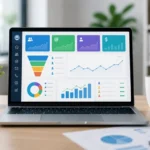
Sales pipeline tracking is another essential tool. It visually shows where each deal is in the sales process. According to OnePageCRM, visual pipelines help sales teams stay focused on the next action needed to move a deal forward.
Automation is also becoming common in affordable CRM systems. According to Lark Suite, many CRM platforms automate repetitive tasks like sending follow-up reminders, updating contact records, and generating reports. This saves time and allows teams to focus on building relationships instead of managing data.
Other useful features include:
- Email integration and tracking
- Task and follow-up reminders
- Mobile apps for sales teams
- Custom reports and analytics
- Integration with marketing tools
When these features are combined, even a low-cost CRM can become a powerful business tool.
Popular Affordable CRM Tools Used by Small Businesses
The CRM market has grown quickly in recent years. As more startups and small companies adopt digital tools, software providers have developed affordable solutions that offer powerful features at low prices.
According to Omega Solutions, many modern CRM platforms now include advanced capabilities such as workflow automation, AI insights, and smart reporting—even in entry-level plans.
Some of the most popular affordable CRM tools include:
- HubSpot CRM
- Zoho CRM
- Pipedrive
- Freshsales
- Monday Sales CRM
- Bitrix24
- Salesmate
These platforms typically offer free or low-cost starter plans that allow businesses to manage contacts, track deals, and automate basic workflows. As the company grows, they can upgrade to more advanced features.
If you are exploring digital tools to improve business operations, you may also find our guide to best business apps in the UK helpful for discovering other productivity tools.
How CRM Software Helps Businesses Improve Sales and Customer Relationships
The biggest benefit of CRM software is not just organization—it is improved relationships with customers. When businesses understand their customers better, they can provide better service and close more deals.
CRM systems track every interaction customers have with a business. This includes emails, calls, meetings, and website inquiries. By analysing this data, businesses can understand customer preferences, buying behaviour, and communication patterns.
According to BDC, CRM systems help businesses build stronger customer relationships while reducing manual data entry and administrative work.
Customer insights also help businesses personalise communication. According to Shawn Graham, CRM tools allow businesses to track customer preferences and behaviour, making it easier to deliver targeted messages and relevant offers.
Businesses that combine CRM tools with marketing strategies often see better lead conversion rates. For example, companies working with a fintech digital marketing agency frequently use CRM platforms to track marketing leads and measure campaign performance.
Free CRM vs Paid CRM: What Small Businesses Should Choose
One of the biggest advantages of modern CRM platforms is the freemium model. Many providers allow businesses to start using the software at no cost and upgrade later when they need additional features.
According to a LinkedIn article by Ajibola Busari, freemium CRM platforms provide basic tools such as contact management, lead tracking, and simple reporting for free, while premium features like advanced automation and analytics require paid plans.
Free CRM systems are ideal for:
- Startups testing CRM software for the first time
- Small teams with limited budgets
- Businesses with simple sales processes
However, paid CRM plans offer additional benefits such as advanced integrations, larger data storage, and more automation features. As a business grows, upgrading to a paid plan often becomes necessary.
Industries that depend heavily on customer relationships—such as finance companies like Jigsaw Car Finance—often rely on CRM tools to manage customer interactions and maintain consistent communication.
The Future of CRM for Small Businesses
CRM technology continues to evolve rapidly. What was once simple contact management software has now become an intelligent business platform.
Many CRM tools now include artificial intelligence features that analyse customer data and provide insights about sales opportunities. These systems can predict which leads are most likely to convert and recommend the best time for follow-ups.
CRM platforms are also becoming more integrated with other digital systems such as marketing tools, customer support platforms, and analytics dashboards. This creates a connected ecosystem where businesses can manage their entire customer journey from a single platform.
Businesses in technology-focused industries, including those listed in our guide to legal tech companies in the UK, increasingly rely on CRM platforms to manage complex client relationships and streamline operations.
For small businesses, the future of CRM looks promising. Affordable tools are becoming more powerful, easier to use, and more accessible than ever before.
Final Thoughts
Affordable CRM solutions have transformed the way small businesses manage customers and sales. What once required expensive enterprise software can now be achieved with simple, low-cost tools.
Cheap CRM software helps businesses organise leads, track conversations, automate follow-ups, and build stronger relationships with customers. These improvements often lead to higher conversion rates and better long-term customer loyalty.
For UK small businesses looking to grow efficiently, adopting the right CRM system is not just a technical upgrade—it is a strategic step toward smarter business management and sustainable growth.