Customer relationships are one of the most valuable assets for modern businesses. In 2026, companies rely heavily on CRM software to organize customer data, manage leads, and track sales performance.
Customer relationship management software helps businesses understand customers better and improve communication across sales, marketing, and support teams. A good CRM system also automates repetitive tasks and keeps all customer information in one central platform.
Whether you run a startup, a small business, or a growing company, choosing the right CRM platform can improve productivity and increase revenue. This guide explains CRM software, its benefits, major features, and the top CRM platforms businesses are using in 2026.
What Is CRM Software?
CRM software, short for customer relationship management software, is a digital platform that helps businesses manage interactions with customers and potential clients. It stores important customer information such as contact details, communication history, and purchase behavior in one centralized system.
Instead of using multiple spreadsheets or disconnected tools, businesses can manage everything from a single CRM dashboard. Sales teams can track leads, marketing teams can manage campaigns, and support teams can monitor customer issues. According to Salesforce, CRM systems help companies improve customer engagement and streamline business processes.
How CRM Systems Work
A CRM system collects customer information from different channels such as emails, phone calls, websites, and social media. The software then organizes this data so teams can easily view customer history and activity. When a new lead enters the system, the CRM tracks every step of the sales process until the deal is closed. This helps teams manage opportunities and follow up with customers more efficiently.
Why Businesses Use CRM Management Software
Businesses use CRM management software to improve customer relationships and make their sales process more organized. Without CRM tools, companies often struggle to track customer interactions and sales progress.
Modern CRM platforms help teams collaborate and share information easily. Sales teams can track deals, marketing teams can manage campaigns, and support teams can respond to customers faster. According to Oracle, CRM solutions help companies deliver better customer experiences while improving internal efficiency.
Key Benefits of CRM Platforms
CRM tools provide several benefits that help businesses grow. They centralize customer data, improve sales tracking, and automate routine tasks such as follow-ups and reminders. Businesses can also analyze customer behavior using built-in reports and dashboards. This allows companies to make better decisions and identify new sales opportunities.
Main Features of CRM Software
Most CRM systems offer a set of core features designed to help businesses manage their customer relationships effectively. These features support the entire customer lifecycle, from the first interaction to long-term retention.
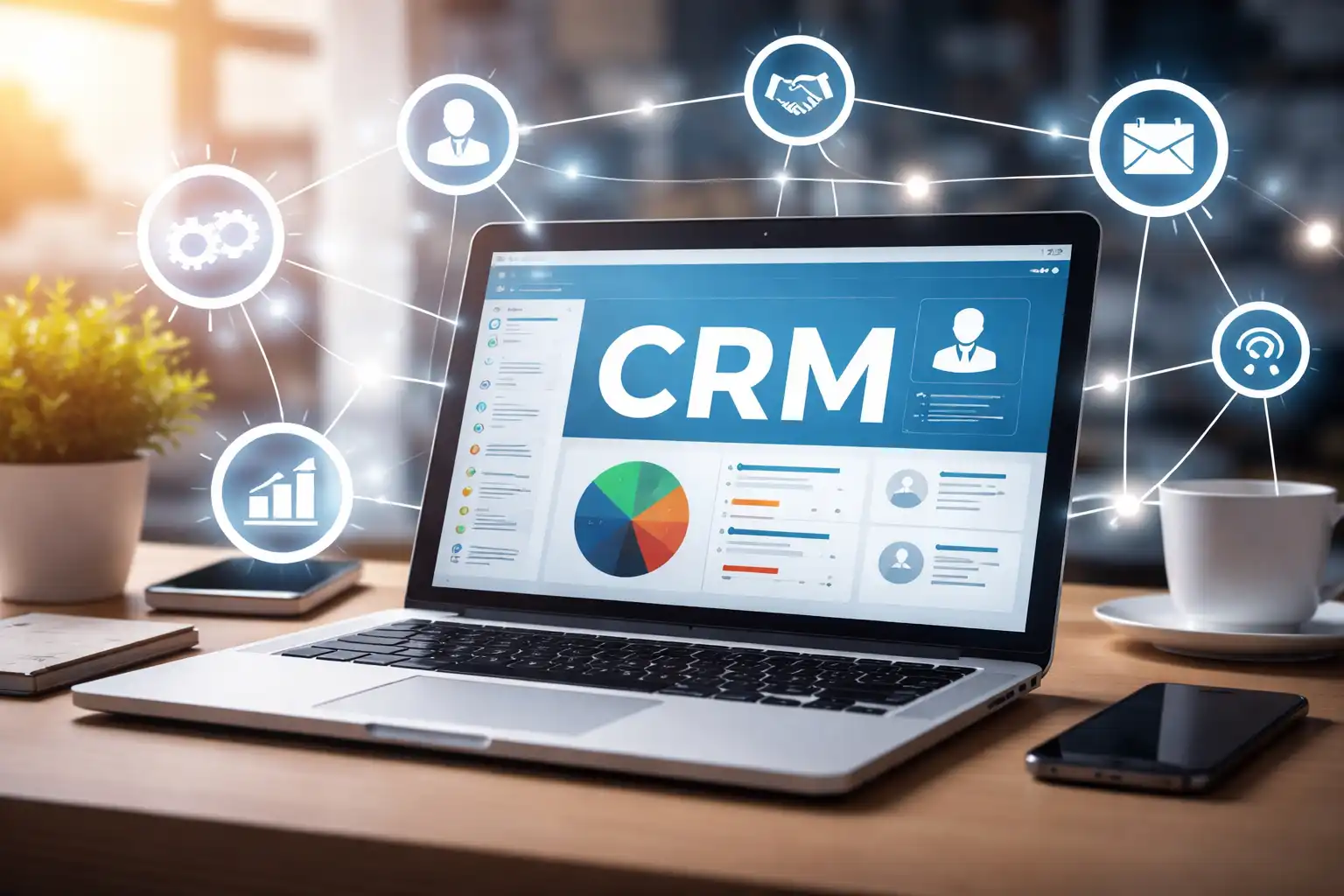
Modern CRM platforms also integrate with other business tools such as email platforms, marketing software, and project management tools. Platforms like HubSpot CRM provide easy-to-use dashboards that help businesses track leads, automate communication, and monitor customer activity.
Contact and Lead Management
Contact management allows businesses to store customer information such as names, emails, phone numbers, and communication history. Lead management tools help companies track potential customers through different stages of the sales process. By organizing leads inside the CRM system, sales teams can prioritize high-value opportunities and avoid losing potential deals.
Sales Pipeline Tracking
Sales pipeline tracking helps businesses visualize where each deal stands in the sales process. Teams can see whether a lead is in the early contact stage, negotiation stage, or close to closing. This visibility allows managers to monitor sales performance and forecast revenue more accurately.
Automation and Workflow Tools
Automation features reduce manual work by automatically completing repetitive tasks. CRM tools can send follow-up emails, assign tasks to team members, or move leads through the pipeline automatically. Platforms like Zoho CRM offer workflow automation that helps businesses save time and improve efficiency.
Top CRM Platforms 2026
Many CRM tools are available today, each offering different features and pricing models. Some platforms focus on large enterprises, while others are designed for small businesses and startups.
Businesses choose CRM platforms based on ease of use, integrations, automation features, and scalability. Popular platforms include solutions from companies such as Apptivo, Keap, and Odoo, which offer cloud-based CRM systems suitable for different industries.
Enterprise CRM Solutions
Enterprise CRM platforms are designed for large companies with complex operations. These systems provide advanced analytics, automation tools, and integration capabilities. Solutions like SAP CRM help large organizations manage thousands of customers while maintaining consistent communication across departments.
Cloud CRM Platforms
Cloud-based CRM systems have become the standard for modern businesses. Instead of installing software locally, companies can access CRM tools through web browsers. Platforms such as Zoho CRM allow businesses to manage customers from anywhere while automatically receiving updates and security improvements.
Best CRM Software for Small Business
Small businesses often need CRM software that is simple, affordable, and easy to implement. Many CRM providers offer entry-level plans designed specifically for smaller teams.
These systems provide essential tools such as contact management, sales tracking, and email integration without complex configuration. According to Instantly, many small businesses choose lightweight CRM platforms because they provide the necessary features without high costs.
Important CRM Features for Small Teams
Small teams benefit most from CRM platforms that offer easy setup and minimal training requirements. Important features include simple dashboards, automated reminders, and integration with common tools like email and calendars. These features allow small businesses to stay organized and maintain strong relationships with customers.
CRM Software for Startups
Startups operate in fast-moving environments where managing leads and customer relationships is critical. CRM software helps startups track potential customers, organize communication, and maintain a structured sales pipeline.
Because startups often have limited resources, they typically choose cloud-based CRM platforms that offer flexible pricing and scalable features. A good CRM system helps startups build strong relationships with early customers and supports growth as the business expands.
Why Startups Need CRM Early
Many startups delay adopting CRM systems, but early adoption can improve efficiency. A CRM platform helps founders track leads, manage investor relationships, and monitor sales opportunities. As the business grows, having an organized CRM system prevents data loss and ensures teams can collaborate effectively.
How to Choose CRM Software
Selecting the right CRM system requires careful evaluation of business needs and goals. Companies should consider factors such as team size, budget, integration requirements, and scalability.
The best CRM platforms allow businesses to customize workflows and integrate with existing tools. Businesses should also test usability and ensure the system provides useful reporting features. Choosing the right CRM software can significantly improve customer relationships and operational efficiency.
Factors to Consider When Choosing CRM
Before selecting a CRM platform, businesses should evaluate ease of use, automation features, integration options, and long-term scalability. It is also important to consider customer support and training resources provided by the vendor. These factors help ensure the CRM system supports long-term business growth.
The Future of CRM Tools
CRM technology continues to evolve as businesses rely more on data-driven decisions. Modern CRM platforms now include artificial intelligence, predictive analytics, and advanced automation features.
These innovations allow businesses to better understand customer behavior and personalize communication. CRM systems are also becoming more integrated with collaboration tools and digital communication channels.
AI and Automation in CRM
Artificial intelligence is transforming CRM platforms by analyzing large amounts of customer data. AI tools can predict sales opportunities, recommend actions for sales teams, and automate communication. These technologies help businesses deliver faster responses and more personalized customer experiences.
If you are exploring more productivity tools for companies, you may also want to read our guide on best business apps for UK companies.
Conclusion
CRM software has become an essential tool for businesses in 2026. It helps companies manage customer information, track sales opportunities, and improve communication across teams. By using a reliable CRM platform, businesses can organize their sales pipelines, automate tasks, and gain valuable insights from customer data.
Whether you run a startup, a small business, or a large company, choosing the right CRM system can improve productivity and customer satisfaction. As CRM technology continues to evolve with automation and AI features, businesses that adopt modern CRM tools will be better positioned to grow and build long-term customer relationships.
Author Bio
The Editorial Team at The Tech News produces informative articles on business, technology, finance, and digital trends. The team focuses on delivering clear, research-based content that helps readers understand complex topics and stay updated with the latest developments in the business and tech world.
Disclaimer
The information in this article is provided for general educational and informational purposes only. While we aim to ensure accuracy, software features, pricing, and availability may change over time. Readers should verify details directly with CRM providers before making business or purchasing decisions.
FAQs
1. What is CRM software used for?
CRM software is used to manage customer relationships, track sales leads, store customer data, and improve communication between sales, marketing, and support teams.
2. Is CRM software suitable for small businesses?
Yes, many CRM platforms offer affordable plans designed for small businesses. These systems provide essential features such as contact management, sales tracking, and automation tools.
3. What are the most popular CRM platforms in 2026?
Some widely used CRM platforms include HubSpot CRM, Zoho CRM, Salesforce, Odoo CRM, and Apptivo. These platforms offer cloud-based solutions suitable for different types of businesses.
4. What features should a good CRM system have?
A good CRM system should include contact management, lead tracking, sales pipeline management, automation tools, reporting dashboards, and integration with other business software.
5. Why do startups need CRM software?
Startups use CRM software to track leads, manage customer interactions, organize sales pipelines, and maintain structured communication as the business grows.
6. Is cloud-based CRM better than traditional CRM?
Cloud CRM platforms are often preferred because they allow businesses to access data from anywhere, receive automatic updates, and avoid complex software installations.