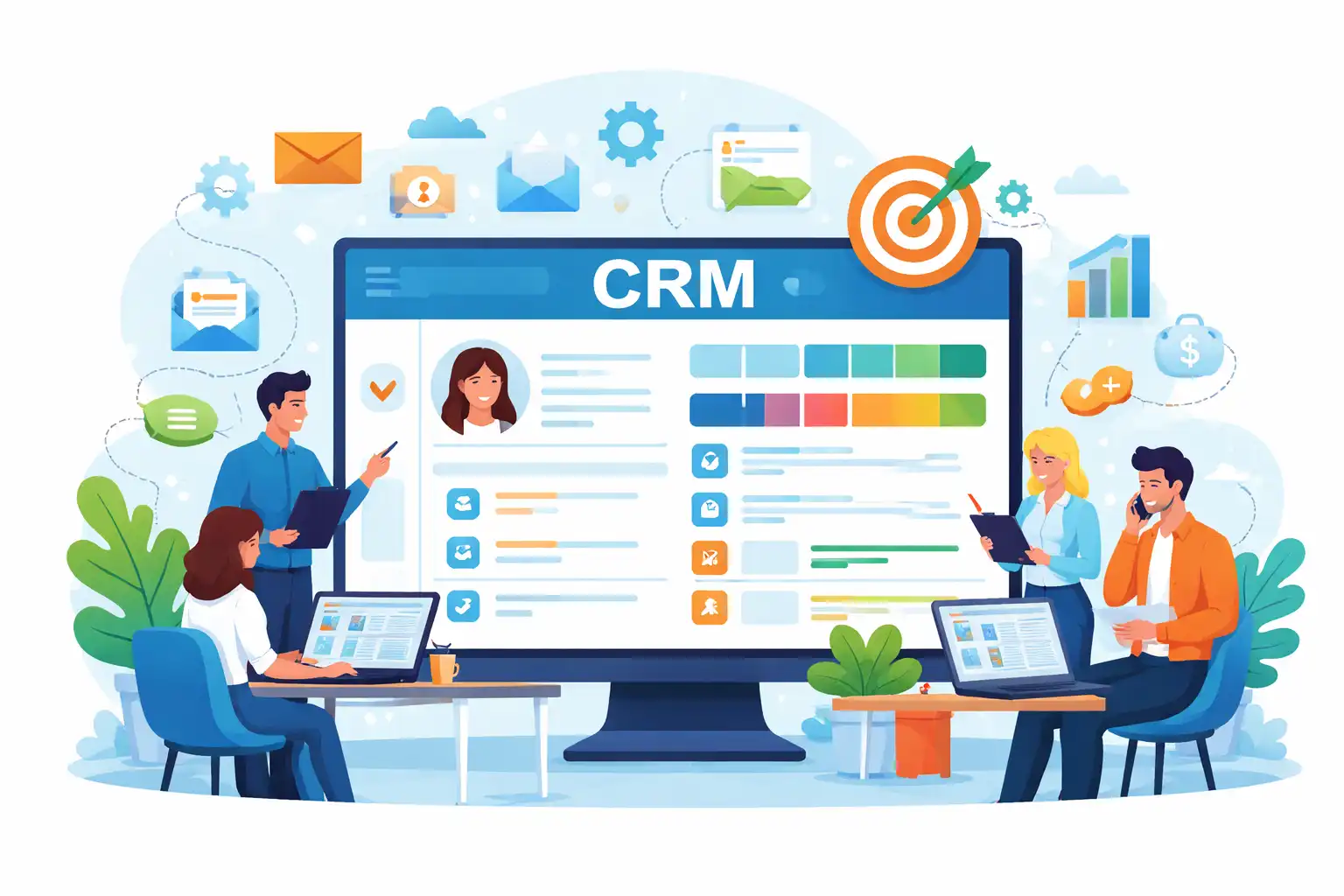
Customer relationship management (CRM) software has become an essential tool for small businesses that want to manage customers, track sales activities, and improve communication. A CRM for small business helps companies organize contact information, record customer interactions, and monitor deals through a central system. Instead of relying on spreadsheets or disconnected tools, businesses can manage everything in one platform. This improves efficiency and reduces the chances of missing opportunities. According to Salesforce, CRM systems help businesses manage interactions across multiple channels such as email, phone, and social media, enabling companies to build stronger relationships with customers.
What Is CRM Software for Small Businesses?
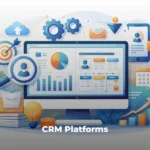
CRM software for small businesses is a digital system designed to help companies manage customer relationships, sales pipelines, and communication history. It works as a central database where businesses can store contact details, track interactions, and monitor deal progress. Small teams benefit from CRM systems because they simplify customer management and provide a clear view of ongoing sales activities. According to HubSpot, CRM platforms allow businesses to track emails, calls, meetings, and customer interactions in one place. Businesses exploring different solutions can also learn more about platforms in our guide on CRM software.
Why Small Businesses Need CRM Tools
Small businesses often handle multiple tasks at once, including sales, marketing, and customer support. Without a proper system, managing customer data can become difficult. CRM tools help businesses organize contacts, automate follow-ups, and track leads effectively. According to U.S. Chamber of Commerce, CRM platforms allow companies to manage their sales pipeline, track conversations with prospects, and ensure that no customer interaction is missed. By using CRM tools, small teams can stay organized, improve response time, and build stronger relationships with customers, which ultimately leads to better business growth and customer retention.
Key Features of Small Business CRM Systems
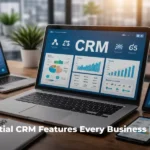
Modern CRM platforms include several features that help businesses manage customer relationships efficiently. These systems are designed to reduce manual work while improving productivity and collaboration. Most CRM tools offer features such as contact management, sales pipeline tracking, automation tools, and analytics dashboards. According to Zoho CRM, small business CRM platforms can also capture leads from websites, social media channels, and marketing campaigns. These features allow businesses to track customer behaviour and understand sales performance while ensuring teams have access to accurate and updated customer information.
Contact Management
Contact management is a core feature of any CRM system. It allows businesses to store and organize customer information such as names, email addresses, phone numbers, and communication history. Having this information in one place helps teams quickly access important details before interacting with customers. This improves customer service and ensures businesses maintain consistent communication. Contact management also helps companies track relationships with both existing customers and potential leads.
Sales Pipeline Tracking
Sales pipeline tracking helps businesses visualize the progress of deals through different stages of the sales process. CRM systems display opportunities in a structured pipeline, allowing teams to see which leads require attention. This feature helps businesses prioritize tasks, manage follow-ups, and close deals more efficiently. By monitoring pipeline activity, companies can also forecast future sales and evaluate the effectiveness of their sales strategies.
Marketing Automation
Marketing automation features help businesses manage campaigns, send emails, and nurture leads automatically. Instead of manually sending messages, CRM platforms can trigger automated emails based on customer behaviour or predefined conditions. This helps businesses maintain regular communication with prospects and customers while saving time. Automation also improves marketing efficiency by delivering targeted messages that increase engagement and conversion rates.
Best CRM Platforms for Small Businesses
Many CRM platforms are available for small businesses, each offering different features and pricing plans. Some systems are designed specifically for startups, while others offer advanced features for growing companies. According to Forbes, popular CRM platforms for small businesses include HubSpot CRM, Zoho CRM, Salesforce Essentials, Freshsales, and Pipedrive. These platforms provide tools for managing contacts, tracking sales pipelines, and automating business processes. Choosing the right CRM depends on business needs, budget, and the complexity of operations.
Affordable CRM Software for Small Businesses
Many small businesses look for CRM platforms that are affordable and easy to implement. Fortunately, several CRM tools offer free plans or low-cost subscriptions designed for startups and small teams. According to Zapier, CRM platforms often integrate with email tools, marketing software, and automation apps to create efficient workflows. Cloud-based CRM systems also reduce the need for expensive infrastructure, making them accessible to businesses with limited budgets. Affordable CRM solutions allow companies to improve customer management without large investments.
CRM Software for Startups
Startups often need simple yet powerful tools to manage early customer relationships and sales opportunities. CRM systems help startups track leads, organize communication, and monitor customer engagement from the beginning. According to Innowise, CRM tools allow startups to analyse sales data and understand customer behaviour. This information helps businesses improve marketing strategies and identify growth opportunities. Startups benefit from CRM systems because they provide structure and organization during the early stages of business development.
Cloud CRM for Small Businesses
Cloud-based CRM systems allow businesses to access their data from anywhere through an internet connection. These platforms are hosted online, eliminating the need for on-site servers and complex infrastructure. Cloud CRM solutions also provide automatic updates and security features. Small businesses benefit from cloud CRM because it allows teams to collaborate remotely and access customer data in real time. Many businesses also combine CRM systems with tools such as the best business apps in the UK to improve productivity and streamline business processes.
Industries That Use CRM Software
CRM software is widely used across many industries because customer management is essential for almost every business. Retail companies use CRM systems to track customer purchases and preferences, while service providers use them to manage communication and support requests. Technology companies also rely heavily on CRM platforms to manage leads and partnerships. For example, businesses working in fintech often combine CRM tools with services from digital marketing agencies for fintech. Similarly, many legal tech companies in the UK use CRM systems to manage client interactions.
How to Choose the Best CRM for Small Businesses
Selecting the right CRM platform depends on several factors including business size, budget, and operational requirements. Small businesses should prioritize systems that are easy to use and offer essential features like contact management, automation, and reporting. Integration with existing tools is also important for improving workflow efficiency. Businesses should consider scalability when choosing CRM platforms so the system can grow with the company. If you are new to CRM technology, our detailed guide on what CRM software is explains the fundamentals of customer relationship management systems.
Conclusion
CRM software helps small businesses manage customer relationships, organize contacts, and track sales activities in one system. A CRM for small business improves communication, automates tasks, and helps teams manage leads more efficiently. By using the right CRM platform, businesses can improve customer service, increase sales opportunities, and support long-term growth.
Author Bio
The Editorial Team atThe Tech News creates informative content about technology, business, finance, and digital trends. The team focuses on clear and research-based writing that helps readers understand complex topics and stay informed about important developments in the modern business world.
Disclaimer
The information in this article is provided for general educational and informational purposes only. While efforts are made to ensure accuracy, software features, pricing, and availability may change over time. Readers should review official sources and provider websites before making any business or software decisions.
Frequently Asked Questions (FAQs)
What is a CRM for small business?
A CRM for small business is software that helps companies manage customer information, sales activities, and communication history in one system. It allows businesses to track leads, manage contacts, and monitor sales pipelines efficiently.
Why do small businesses need CRM software?
Small businesses use CRM software to organize customer data, track sales opportunities, and improve communication with clients. It helps teams stay organized, manage leads effectively, and build stronger customer relationships.
What features should small business CRM software include?
A good CRM system for small businesses should include contact management, sales pipeline tracking, reporting tools, automation features, and integrations with email or marketing tools. These features help improve efficiency and sales management.
Is there free CRM software for small businesses?
Yes, many CRM platforms offer free versions for small teams. Tools like HubSpot CRM and Zoho CRM provide free plans that include basic contact management and sales tracking features.
What is the difference between cloud CRM and traditional CRM?
Cloud CRM systems are hosted online and can be accessed through a web browser from anywhere. Traditional CRM systems require installation on local servers. Cloud CRM is usually easier to maintain and more cost-effective for small businesses.
How do businesses choose the best CRM platform?
Businesses should consider factors such as pricing, ease of use, features, scalability, and integrations with other tools. Choosing a CRM that fits business needs and growth plans helps ensure long-term success.