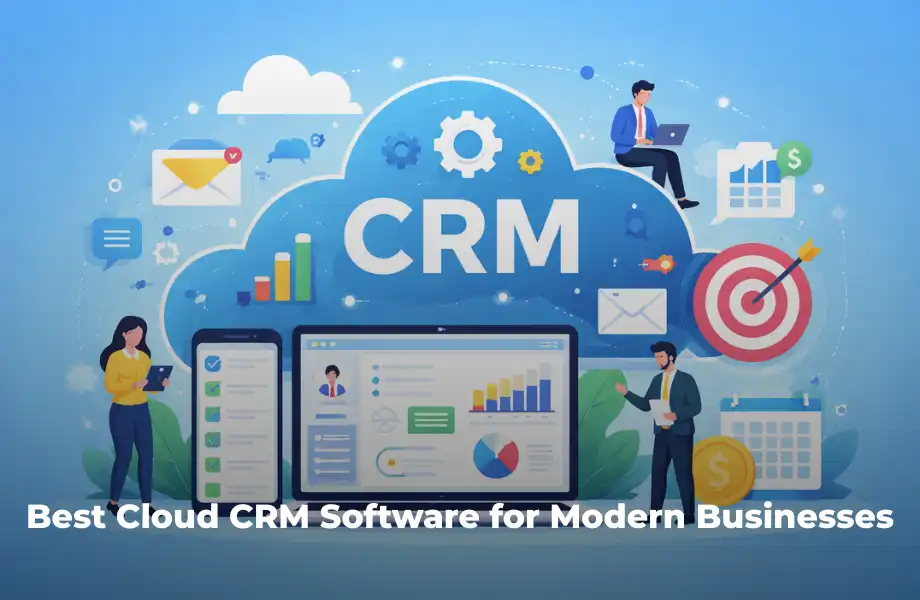
Cloud CRM software has become a must-have tool for modern businesses. It helps companies manage customer data, track sales, and improve communication in a simple way. Unlike traditional systems, a cloud based CRM works online, so teams can access data anytime and from anywhere. This flexibility makes it ideal for businesses of all sizes. In this guide, you will learn how a cloud CRM system works, its key benefits, and the best tools you can use to grow your business.
What is Cloud CRM Software?
Cloud CRM software is an online system that stores and manages customer information on remote servers instead of local devices. This means businesses do not need to install software on individual computers. Teams can log in through a web browser and access customer data instantly. According to Monday.com, this setup allows real-time collaboration and improves efficiency. A cloud CRM platform also updates automatically, so businesses always use the latest version without manual upgrades.
How Cloud CRM Works
A cloud CRM system collects customer data from different sources like emails, calls, and websites. It stores everything in one place and organizes it for easy access. Teams can track interactions, manage leads, and monitor sales pipelines. Because it is web based CRM software, users only need internet access to use it. This makes it simple, fast, and highly efficient for daily business operations.
Key Benefits of Cloud Based CRM
Cloud based CRM offers many advantages over traditional systems. It reduces costs because there is no need for expensive hardware or maintenance. Businesses can scale easily as they grow by upgrading plans. According to Research.com, many companies prefer this model due to its flexibility and lower IT expenses. It also improves team collaboration, as everyone can access the same data in real time from any location.
Accessibility and Flexibility
One of the biggest benefits of online CRM software is accessibility. Employees can work from home, office, or while traveling. This flexibility helps businesses stay productive at all times. Teams can update customer records instantly, ensuring everyone has the latest information. This also supports remote work and global teams, making cloud CRM systems ideal for modern business environments.
Important Features to Look For
Choosing the right cloud CRM system depends on its features. Key features include contact management, sales tracking, automation tools, and reporting. According to Forbes, these features help businesses manage customers and improve decision-making. Integration with other tools like email and marketing platforms is also important. A good cloud CRM platform should be easy to use and customizable to meet specific business needs.
Automation and Integration
Automation helps reduce manual work by handling tasks like follow-ups, email tracking, and data entry. Integration allows the CRM to connect with other tools such as marketing software and accounting systems. These features save time and improve efficiency. Businesses can focus more on building relationships instead of doing repetitive tasks, making automation a key part of any web based CRM.
How Cloud CRM Improves Business Performance
A cloud CRM platform helps businesses improve performance by organizing customer data and providing useful insights. According to Salesforce, it offers a complete view of customers, helping teams make smarter decisions. It also improves communication between departments. Sales and support teams can work together more effectively, leading to better customer experiences and higher satisfaction rates.
Better Customer Experience
Cloud CRM systems help businesses respond quickly to customer needs. According to Zendesk, faster communication leads to better customer satisfaction. Teams can track conversations, solve issues quickly, and provide personalized service. This builds trust and improves long-term relationships with customers, which is essential for business growth.
Top Cloud CRM Software Options
There are many cloud CRM software options available, each designed for different business needs. Some focus on simplicity, while others offer advanced features. Popular choices include HubSpot, Zoho CRM, Pipedrive, and Salesforce. According to Zapier, ease of use and integration are important factors when selecting a CRM. Businesses should compare tools based on their size, goals, and budget.
Best CRM for Different Needs
Small businesses may prefer simple tools like HubSpot or Zoho CRM, while larger companies often choose Salesforce for its advanced features. Pipedrive is ideal for sales-focused teams. Each tool offers unique benefits, so it is important to choose one that matches your business goals. The right cloud CRM system can improve productivity and help manage customer relationships effectively.
Cloud CRM for Small Businesses and Startups
Cloud CRM systems are especially useful for small businesses and startups. They are affordable, easy to set up, and require minimal technical knowledge. These tools help manage customer data, track sales, and improve communication. If you are a small business, explore CRM software for small businesses. Startups can check CRM software for startups to find scalable solutions.
Why Startups Prefer Cloud CRM
Startups prefer cloud based CRM because it grows with their business. They can start with basic features and upgrade as needed. It also saves money and reduces the need for IT support. This makes cloud CRM a smart choice for new businesses looking to scale quickly without heavy investment.
Automation and Productivity Benefits
Automation is a key feature of cloud CRM software. It helps businesses save time by handling repetitive tasks. According to Salesflare, automation reduces manual data entry and improves efficiency. According to Insightly, centralized data also boosts productivity by keeping everything organized in one place.
Reducing Manual Work
Cloud CRM tools automatically track emails, update records, and manage workflows. This reduces the workload on employees and allows them to focus on important tasks. Automation also reduces errors and improves accuracy, making business operations smoother and more efficient.
Things to Consider Before Choosing a CRM
Before selecting a cloud CRM platform, businesses should consider factors like budget, ease of use, and customization. According to Capterra, user reviews and free trials can help in decision-making. Comparing different tools using Guru Solutions can also provide useful insights into features and pricing.
Making the Right Choice
The right CRM depends on your business size and goals. A simple tool may work for small teams, while larger businesses need advanced features. Always test the software before buying and ensure it meets your requirements. Choosing the right cloud CRM system can make a big difference in business success.
Explore More CRM Solutions
If you want to learn more about CRM tools, you can explore these guides:
Conclusion
Cloud CRM software is an essential tool for modern businesses. It helps manage customer relationships, improve teamwork, and increase productivity. With many options available, businesses should choose a cloud CRM system that fits their needs and budget. By using the right solution, companies can build strong customer relationships and achieve long-term growth.