Last year, a small business owner in London noticed something strange. His marketing campaigns were bringing in plenty of enquiries, but sales were not growing at the same pace. Some customers never received a follow-up email. Others waited days for a response. A few potential buyers simply disappeared. The problem was not a lack of leads—it was a lack of organisation. Like many growing businesses, he was trying to manage everything through spreadsheets, emails, and sticky notes. Eventually, he switched to a Lead Management Software solution. Within weeks, his team could track every lead, automate follow-ups, prioritise serious buyers, and monitor the entire sales process from one dashboard. The result was better productivity, faster responses, and higher conversions. Stories like this are common across the UK. Whether you run a startup, a small business, or a large organisation, managing leads effectively has become essential. A modern lead management system helps businesses capture, track, nurture, and convert prospects while reducing manual work. In this guide, we explore how lead management software works, the key features to look for, the benefits it offers, and the best tools available today.
What Is Lead Management Software?

Image Source: Pexels
Imagine receiving dozens of enquiries every day from your website, social media pages, advertisements, and email campaigns. Without a system in place, it becomes difficult to know who contacted your business, who needs a follow-up, and who is ready to buy. This is where a lead management system becomes valuable. Lead management software is designed to capture, organise, track, nurture, and convert potential customers throughout the sales journey. According to HubSpot, lead management tools help businesses manage prospects efficiently and improve sales performance. Instead of relying on scattered information, teams can access all lead data in one place. Businesses that want a complete customer management solution often combine lead management with a CRM software system to manage both prospects and existing customers. The result is better organisation, improved visibility, and a smoother sales process.
How a Lead Management System Works

Image Source: Pexels
Think about a potential customer searching online for accounting software. They visit a website, complete a form, and request a demo. A lead capture software tool automatically stores their details and creates a new lead profile. The system then records every interaction, including email opens, website visits, and downloads. This information helps sales teams understand how interested the prospect is. Lead scoring tools assign points based on actions, helping representatives prioritise the most valuable opportunities. Modern lead automation software can even send welcome emails, schedule reminders, and alert team members when a lead becomes highly engaged. Businesses looking to automate repetitive tasks often benefit from learning about CRM automation features. By automating the process, companies save time, reduce mistakes, and improve their chances of converting leads into customers.
The Lead Management Process Explained

Image Source: Pexels
Successful sales teams rarely leave lead management to chance. Most businesses follow a structured process. First comes lead capture, where enquiries are collected from websites, forms, social media, and advertisements. Next is lead qualification, which helps determine whether a prospect matches the ideal customer profile. After qualification, lead scoring software evaluates buying intent based on actions and engagement levels. The next step involves lead distribution software assigning opportunities to the correct sales representative. Then comes lead nurturing software, which keeps prospects engaged through emails, calls, and personalised content. Finally, lead conversion tracking measures whether the lead becomes a customer. Businesses interested in understanding how CRM and lead management work together can explore our Lead Management CRM Guide. Following a clear process helps businesses increase conversions while improving the customer experience.
Essential Features Every Lead Management Software Should Have

Image Source: Pexels
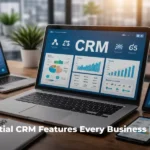
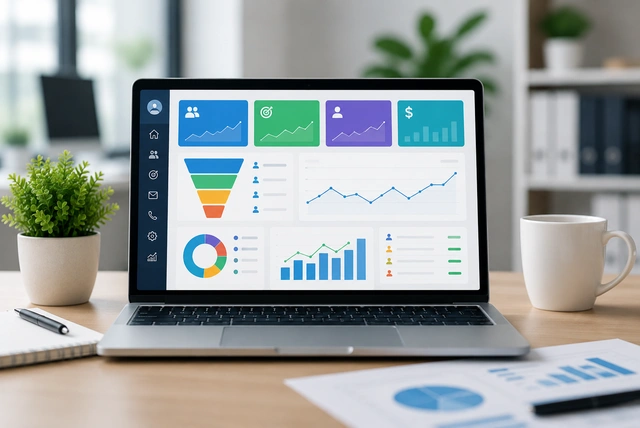
Not all lead tracking software platforms offer the same capabilities. However, there are several features every business should consider. Lead capture tools automatically collect information from multiple channels. Lead scoring helps prioritise prospects based on behaviour and engagement. Sales pipeline management provides a visual overview of opportunities and deal stages. Reporting dashboards offer valuable insights into sales performance. CRM lead management functionality ensures customer information remains organised and accessible. Mobile access allows teams to manage leads while working remotely. Integration with email platforms, marketing tools, and business applications creates a seamless workflow. Businesses researching software options should also understand essential CRM features that can support long-term growth. A strong platform should reduce manual work while helping teams focus on meaningful customer interactions.
Benefits of Using Lead Management Software

Image Source: Pexels
One of the biggest frustrations for sales teams is losing potential customers because of delayed responses or poor organisation. Lead management software solves these problems by automating tasks and improving visibility. Businesses can respond faster, track every interaction, and ensure that no opportunity gets forgotten. According to Salesforce, effective lead management helps sales teams improve efficiency and customer engagement. Better organisation leads to stronger collaboration between sales and marketing teams. Automated workflows reduce repetitive work, allowing employees to focus on building relationships. Companies can also improve forecasting because sales pipeline management provides accurate information about future opportunities. Businesses evaluating broader solutions may also find value in reviewing CRM software options that combine lead management with customer relationship management.
Best Lead Management Software Tools Compared

Image Source: Pexels
Choosing the right platform depends on your business goals and budget. HubSpot CRM is popular for its free plan and user-friendly interface. Salesforce offers advanced automation and extensive customisation options. LeadSquared is known for powerful lead distribution and sales automation features. Pipedrive focuses heavily on sales pipeline management and visual deal tracking. Zoho CRM delivers excellent value for small and medium-sized businesses, while Freshsales combines CRM lead management with built-in communication tools. According to Zapier, businesses should evaluate software based on ease of use, automation capabilities, integrations, and scalability. UK businesses comparing platforms can also explore our recommendations for the best CRM software for sales teams in the UK, top CRM platforms, and best CRM tools available today.
Lead Management Software vs CRM Software

Image Source: Pexels
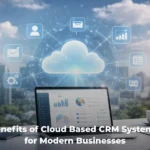
Many people believe lead management software and CRM software are the same thing. While they are closely related, they serve different purposes. Lead management software focuses on acquiring, tracking, scoring, nurturing, and converting prospects. CRM software manages the entire customer lifecycle, including support, communication history, and long-term relationships. Think of lead management as the process of attracting and converting new customers, while customer relationship management continues after the sale is completed. Today, many solutions combine both functions into a single platform. Businesses looking for scalable solutions should also explore cloud CRM software and options designed specifically as CRM software for small businesses. Understanding the difference helps organisations choose the right technology for their needs.
How Lead Management Software Delivers ROI

Image Source: Pexels
Imagine spending thousands of pounds each month on marketing campaigns but losing leads because nobody follows up on time. This is where lead management software creates measurable value. Faster response times increase conversion opportunities. Automation reduces administrative work and improves productivity. Better lead scoring ensures sales teams focus on the prospects most likely to buy. Detailed reporting helps managers identify weaknesses and improve performance. According to LeadSquared, businesses can improve lead handling efficiency through automation and structured workflows. Over time, these improvements can generate a significant return on investment through higher conversion rates, increased sales revenue, and stronger customer relationships.
Disclaimer
The software features, pricing, and functionality discussed in this article may change over time as vendors update their products and services. Always review official provider websites before making purchasing decisions.
Final Thoughts
Every successful sale begins with a lead, but not every lead becomes a customer. The difference often comes down to organisation, speed, and consistency. Lead Management Software gives businesses the tools needed to capture opportunities, automate follow-ups, track engagement, and improve conversions. Whether you choose HubSpot, Salesforce, Zoho CRM, Pipedrive, LeadSquared, or another solution, the goal remains the same: helping your team build stronger relationships and close more deals. As competition continues to grow across the UK, investing in the right lead management system can help your business stay organised, improve efficiency, and create a better experience for every potential customer.
Frequently Asked Questions
What is lead management software?
Lead management software helps businesses capture, track, nurture, and convert prospects into customers. It centralises lead information and improves sales efficiency.
How much does lead management software cost?
Pricing varies depending on features and users. Some providers offer free plans, while enterprise solutions can cost hundreds or thousands of pounds monthly.
Is lead management software suitable for small businesses?
Yes. Small businesses benefit from automation, better organisation, and faster follow-ups, helping them compete more effectively.
Why is lead scoring important?
Lead scoring identifies high-quality prospects by measuring engagement and buying intent, helping sales teams prioritise opportunities.
What is the difference between lead management software and CRM software?
Lead management focuses on prospects before a sale, while CRM software manages customer relationships throughout the entire lifecycle.
Which lead management software is best?
Popular options include HubSpot CRM, Salesforce, Zoho CRM, Pipedrive, Freshsales, and LeadSquared. The best choice depends on business requirements and budget.