Three years ago, a growing UK company faced a problem many businesses know all too well. Their sales team worked hard every day, yet opportunities kept slipping through the cracks. Leads arrived through website forms, emails, and social media, but follow-ups were delayed because representatives were busy updating spreadsheets, creating reminders, and managing customer records. The business wasn’t losing customers because of poor products or services. It was losing them because there simply weren’t enough hours in the day. Then the company introduced Sales Automation Software. Within weeks, lead assignments happened automatically, follow-up emails were sent on time, and managers could instantly see what was happening inside the sales pipeline. The team spent less time on administration and more time talking to customers. This story is becoming increasingly common in 2026 as businesses look for smarter ways to improve productivity and revenue. Sales automation software is no longer a luxury reserved for large corporations. It has become an essential business tool that helps companies automate repetitive tasks, improve customer experiences, and close more deals without increasing workloads. Whether you run a small business or a growing enterprise, understanding how sales automation works can help you build a stronger and more efficient sales operation.
Sales Automation Software: Quick Answer

Image source: pexels.com
Sales Automation Software is a technology solution that automates repetitive sales activities such as lead management, contact updates, follow-up emails, sales pipeline tracking, reporting, lead scoring, and forecasting. Instead of spending hours on manual tasks, sales teams can focus on building relationships and closing deals. Modern sales automation tools often work alongside CRM systems and increasingly use artificial intelligence to improve productivity, personalise communication, and identify the best sales opportunities.
What Is Sales Automation Software and Why Does It Matter in 2026?

Image source: pexels.com
Every successful business eventually reaches a point where manual processes begin slowing growth. A salesperson may forget to follow up with a promising lead. Customer information may become outdated. Managers may struggle to track performance across dozens or even hundreds of active opportunities. Sales Automation Software was designed to solve these challenges. It automates repetitive sales activities and ensures that important actions happen consistently without relying on memory or manual effort. From assigning leads to sending automated follow-up emails, the software works continuously behind the scenes to keep the sales process moving forward.
In 2026, businesses are under greater pressure than ever to respond quickly and deliver personalised experiences. Customers expect fast communication and relevant interactions. This is where sales force automation software creates value. It allows organisations to scale their sales operations while maintaining high service standards. Most platforms integrate directly with CRM software, enabling businesses to combine customer relationship management with powerful automation capabilities. The result is a more organised, efficient, and profitable sales process.
Why More Businesses Are Investing in Sales Automation Tools

Image source: pexels.com
One of the most important reasons businesses adopt sales automation software is productivity. Industry research has shown that sales representatives spend only a small percentage of their week actively selling. Much of their time is consumed by administrative work such as entering customer data, scheduling follow-ups, preparing reports, and updating records. These tasks are necessary, but they do not directly generate revenue. Sales productivity software reduces this burden by automating routine activities, allowing teams to spend more time engaging with prospects and customers.
The benefits extend beyond productivity. Businesses often experience faster lead response times, improved customer engagement, more accurate forecasting, and stronger sales performance. Automation also creates consistency. Every lead receives attention, every follow-up happens on schedule, and every customer interaction is recorded. As organisations grow, these advantages become even more valuable because automation helps maintain efficiency without requiring large increases in staffing costs.
How Sales Automation Software Works Behind the Scenes

Image source: pexels.com
Imagine a customer visits your website late at night and requests a product demonstration. Traditionally, that request might sit unnoticed until the next business day. With sales workflow automation, the process begins immediately. The software captures the lead, stores the contact information, assigns the prospect to the appropriate representative, sends a confirmation email, and schedules future follow-ups. By the time the sales team starts work the next morning, everything is already organised and ready for action.
This process relies on triggers, workflows, and automation rules. Businesses can define actions that occur when specific events happen, such as form submissions, email opens, website visits, or deal stage changes. Because modern systems integrate with CRM software, customer information flows automatically between systems. This creates a seamless environment where teams can manage customer relationships, automate tasks, and monitor performance from a single platform.
Key Features That Make Sales Automation Software So Powerful

Image source: pexels.com
The strength of any sales automation platform comes from its ability to handle multiple tasks simultaneously. Modern systems include lead management software, sales pipeline automation, CRM automation, sales forecasting software, lead scoring automation, sales tracking software, automated lead nurturing, and customer communication tools. These features work together to streamline every stage of the sales journey, from the first interaction to the final purchase decision.
Businesses evaluating software options should pay close attention to available CRM features because automation relies heavily on accurate customer data. The most effective platforms combine workflow automation with reporting, forecasting, and analytics. This gives managers better visibility into performance while helping sales representatives focus on activities that create the greatest impact.
Lead Management Software and Automated Lead Nurturing

Image source: pexels.com
Lost leads remain one of the biggest challenges for sales teams. A prospect may download a guide, request information, or show interest in a product, but if nobody follows up quickly enough, the opportunity can disappear. Sales automation software addresses this problem through intelligent lead management and automated lead nurturing. Every lead is automatically captured, organised, assigned, and tracked. Instead of depending on manual processes, businesses can ensure every opportunity receives attention.
Automated lead nurturing takes this process further by keeping prospects engaged throughout the buying journey. The software can send educational content, reminders, product information, and personalised messages based on customer behaviour. Businesses seeking to improve their lead handling processes can benefit from understanding proven lead management CRM strategies. Together, lead management and nurturing help increase conversion rates while reducing the risk of missed opportunities.
How CRM Automation Creates a More Efficient Sales Process

Image source: pexels.com
Many businesses discover that one of the biggest productivity killers is data entry. Sales representatives spend valuable time updating records, logging activities, and managing customer information. CRM automation removes much of this burden. Every email sent, meeting completed, phone call recorded, or opportunity updated can automatically appear inside the CRM system. This ensures records remain accurate without requiring constant manual input.
Modern CRM automation features allow businesses to automate tasks, create workflows, update customer records, trigger alerts, and improve collaboration between departments. Instead of working with disconnected systems, teams gain a complete view of every customer relationship. This creates a more organised sales environment and allows employees to focus on customer engagement rather than administrative work.
Sales Automation Software vs CRM Software: What Is the Difference?

Image source: pexels.com
Many business owners search for sales automation software when they actually need a combination of sales automation and CRM technology. While the two are closely connected, they serve different purposes. A CRM system focuses on storing, organising, and managing customer information. It acts as the central database where businesses track contacts, conversations, purchases, and customer interactions. Sales automation software, on the other hand, uses that information to automate actions. It sends follow-up emails, updates records, assigns leads, creates reminders, and moves opportunities through the sales pipeline automatically.
The easiest way to understand the difference is to think of a CRM as the brain and sales automation as the hands. The CRM stores the knowledge, while automation performs the work. This is why most modern platforms combine both capabilities. Businesses comparing different solutions often review the best CRM software for sales teams before choosing a platform that includes automation, reporting, forecasting, and customer management in one place.
How AI Sales Automation Is Transforming Modern Selling

Image source: pexels.com
Artificial intelligence is changing the way businesses approach sales. A few years ago, automation was mostly limited to simple workflows and scheduled actions. Today, AI sales automation can analyse customer behaviour, identify buying intent, prioritise leads, predict outcomes, and even suggest the next best action for a salesperson. Imagine starting your workday with a list of leads already ranked according to their likelihood of making a purchase. Instead of guessing which opportunity deserves attention, the software uses data to provide clear recommendations.
AI-powered lead scoring automation has become one of the most valuable features in modern sales platforms. By analysing website visits, email engagement, content downloads, and customer interactions, the system helps sales teams focus on prospects most likely to convert. AI can also personalise emails, analyse conversations, generate insights, and improve forecasting accuracy. As businesses continue adopting intelligent automation, AI is quickly becoming a competitive advantage rather than an optional feature.
Sales Pipeline Automation Helps Businesses Close More Deals

Image source: pexels.com
Every sales opportunity follows a journey. Some prospects are just discovering a problem, while others are ready to make a purchase decision. Keeping track of hundreds of opportunities manually can quickly become overwhelming. Sales pipeline automation solves this challenge by automatically updating deal stages, assigning tasks, tracking activities, and alerting representatives when action is needed. This ensures that opportunities continue moving forward rather than becoming stuck in the pipeline.
For managers, pipeline automation provides something equally valuable: visibility. They can see where deals are progressing, where bottlenecks exist, and which opportunities require attention. Automated pipeline management also improves forecasting because data remains accurate and up to date. Businesses using pipeline automation often experience faster sales cycles, improved conversion rates, and stronger revenue performance because fewer opportunities are lost through neglect or delays.
Sales Forecasting Software Makes Business Planning Easier
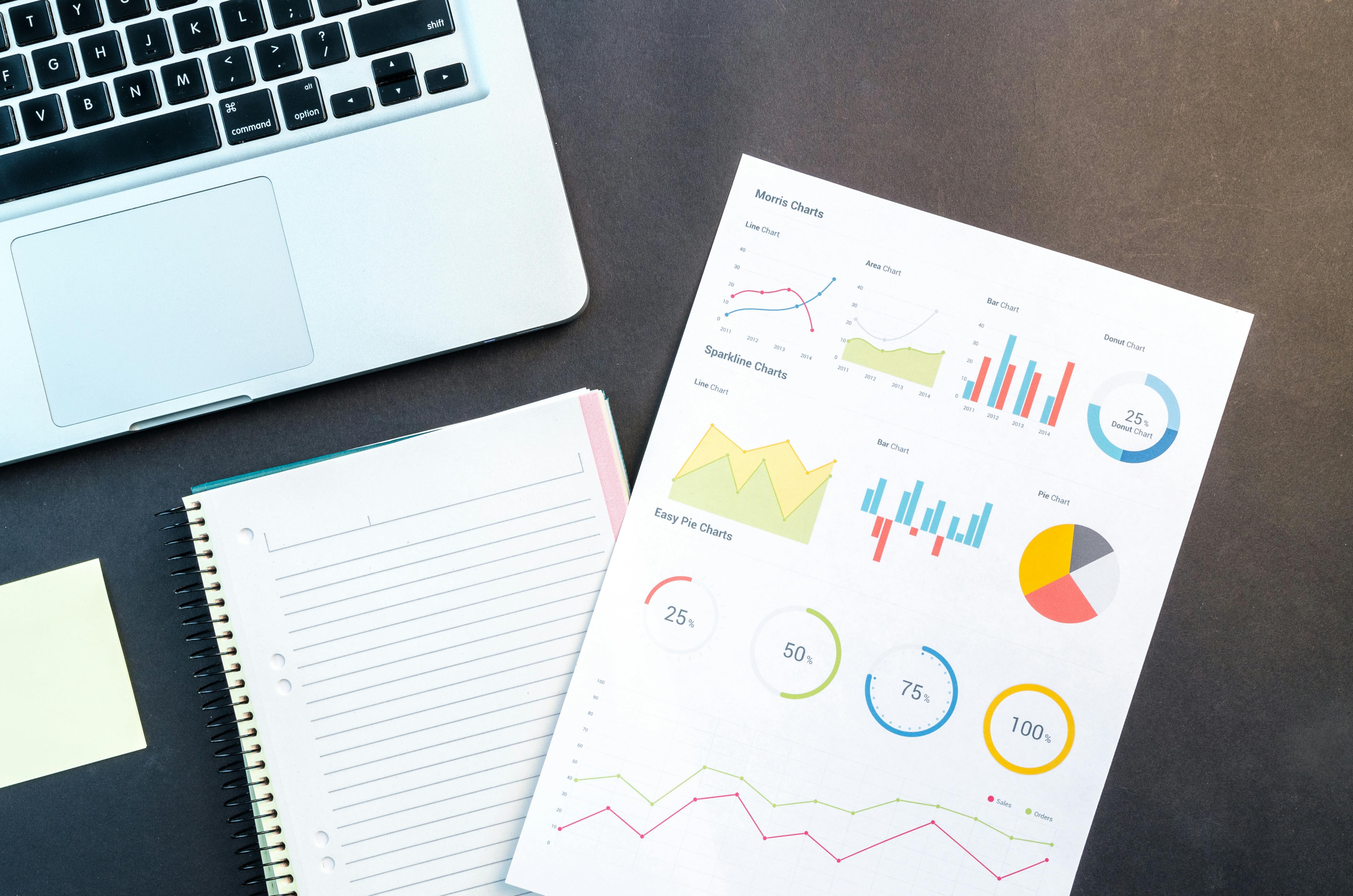
Image source: pexels.com
One of the biggest challenges for business leaders is predicting future revenue. Without reliable forecasting, it becomes difficult to make decisions about hiring, budgeting, inventory, and growth plans. Sales forecasting software helps solve this problem by analysing sales pipeline activity, historical performance, customer behaviour, and current opportunities. Instead of relying purely on guesswork, businesses can make decisions based on data.
Modern forecasting tools are becoming increasingly sophisticated thanks to artificial intelligence. AI can identify patterns that humans might overlook and provide more accurate predictions. For growing businesses, this means fewer surprises and better strategic planning. Sales forecasting software also helps managers identify risks early, allowing them to take action before problems impact revenue. In competitive markets, this level of visibility can make a significant difference.
Popular Sales Automation Software Platforms in 2026
Image source: pexels.com
The market for sales automation software has grown significantly, giving businesses many options to choose from. Different platforms focus on different strengths, making it important to select a solution that matches your business needs.
- HubSpot Sales Hub – Popular for CRM automation, email tracking, and lead management.
- Salesforce Sales Cloud – Known for enterprise-level automation and advanced reporting.
- Pipedrive – Focuses heavily on sales pipeline automation and ease of use.
- Zendesk Sell – Offers automation, contact management, and productivity features.
- Zoho CRM – Provides automation tools for small and mid-sized businesses.
- Freshsales – Includes AI-powered lead scoring and customer engagement features.
Businesses evaluating software options often compare leading CRM platforms and review popular CRM tools before making a final decision. The best platform is usually the one that aligns with your sales process, team size, and growth objectives.
Benefits of Sales Automation Software for Small Businesses

Image source: pexels.com
Small businesses often have limited resources, which makes efficiency extremely important. A company with only a few sales representatives may struggle to manage lead generation, customer communication, reporting, and follow-ups simultaneously. Sales automation software helps level the playing field by allowing smaller teams to operate with the efficiency of much larger organisations. Tasks that once required hours of manual work can happen automatically in the background.
The benefits include faster lead response times, better organisation, improved customer experiences, and reduced administrative work. Small businesses can also scale more effectively because automation supports growth without requiring immediate increases in staffing. This makes sales automation one of the most cost-effective technology investments available to growing companies.
Why Large Enterprises Depend on Sales Automation

Image source: pexels.com
Enterprise organisations face different challenges. Instead of managing dozens of leads, they may handle thousands. Multiple departments need access to customer information, and leaders require accurate reporting across large teams. Sales automation software provides the structure necessary to manage this complexity. Workflows become standardised, customer data remains consistent, and reporting becomes far more reliable.
Large businesses also benefit from advanced forecasting, AI-driven insights, compliance controls, and revenue operations integration. These capabilities help organisations improve collaboration between sales, marketing, and customer success teams. The result is a more efficient operation that can support growth while maintaining quality and consistency across the entire customer journey.
How Revenue Operations (RevOps) Is Driving Sales Automation Adoption

Image source: pexels.com
Imagine a customer who discovers your business through a marketing campaign, speaks with a sales representative, becomes a customer, and later contacts support. In many organisations, these interactions happen across separate systems that rarely communicate with one another. This creates gaps in data, delays in communication, and a fragmented customer experience. Revenue Operations, often called RevOps, was created to solve this problem by bringing sales, marketing, and customer success teams together around shared goals and shared data.
Sales automation software plays a critical role in this strategy because it connects workflows across departments and ensures information flows smoothly between teams. Instead of working in isolation, employees can access accurate customer information throughout the entire lifecycle. Revenue operations software helps organisations improve efficiency, increase forecasting accuracy, and create a more consistent customer experience. As businesses continue focusing on sustainable growth, the connection between RevOps and sales automation is becoming stronger than ever.
Cloud-Based Sales Automation Is Now the Preferred Choice

Image source: pexels.com
Only a few years ago, many businesses relied on software installed on office computers and local servers. While those systems worked, they often lacked flexibility and required ongoing maintenance. Today, cloud technology has transformed the way organisations manage sales processes. Cloud-based sales automation allows employees to access customer information, reports, workflows, and dashboards from anywhere with an internet connection. Whether a representative is working from home, travelling to a client meeting, or collaborating across different locations, the entire team remains connected.
This shift explains why demand for cloud CRM software continues to grow. Businesses benefit from automatic updates, reduced infrastructure costs, stronger security, and easier scalability. Many organisations are also investing in modern cloud-based CRM systems because they support hybrid working environments and future business growth. For most companies in 2026, cloud deployment is no longer the future—it is the standard.
Important Sales Automation Statistics and Trends for 2026
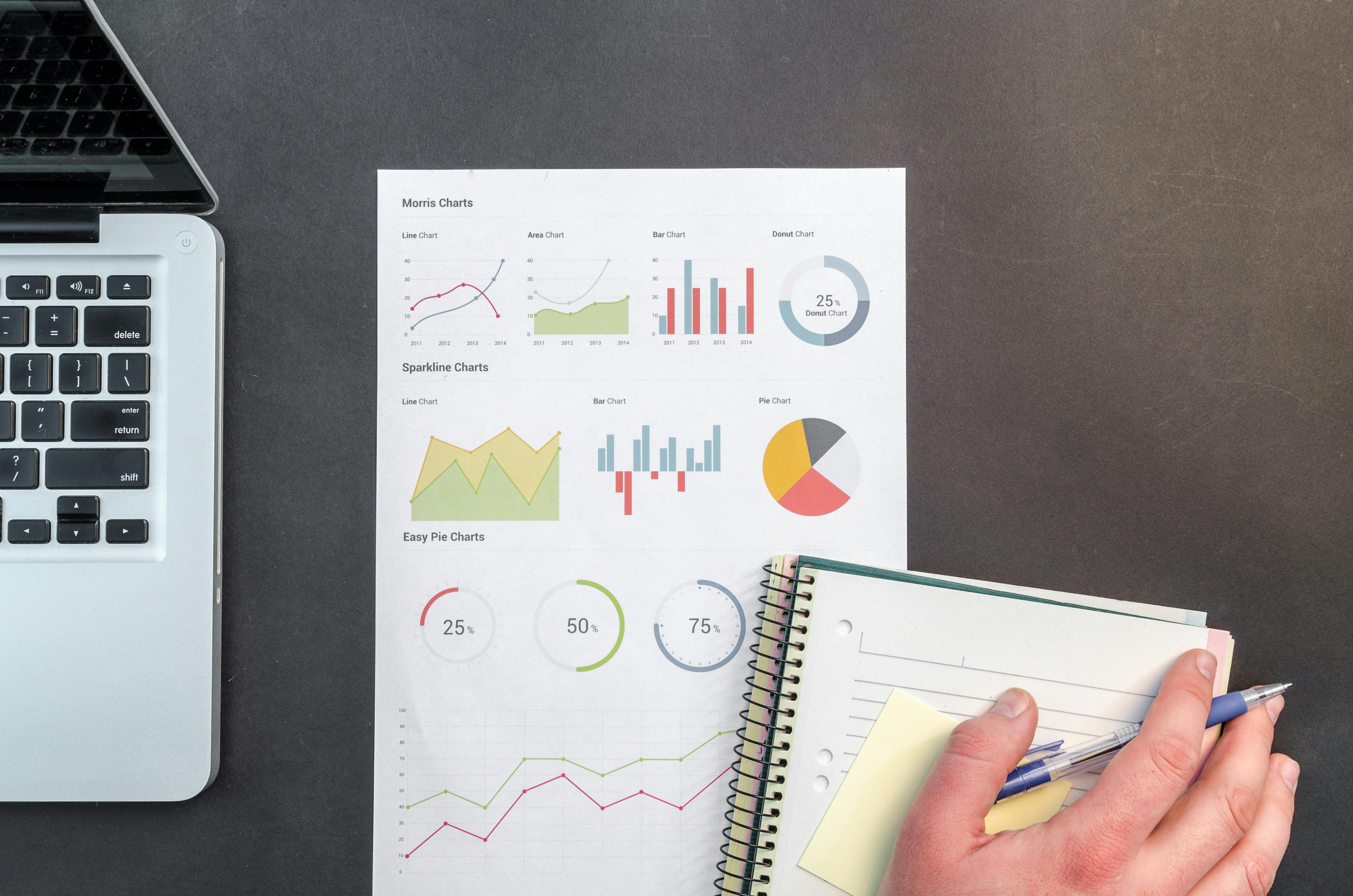
Image source: pexels.com
The growing popularity of sales automation is not happening by chance. Businesses are investing because the technology solves real operational challenges. Industry research shows that sales representatives often spend less than one-third of their workweek actively selling. Administrative tasks, reporting, and data management consume a significant portion of valuable time. Automation helps recover much of that lost productivity. Companies using automated lead nurturing, lead scoring automation, and workflow automation often experience faster response times and more efficient sales processes.
Several trends are shaping the future of sales automation software in 2026. Artificial intelligence is becoming deeply integrated into sales platforms. Predictive analytics is helping businesses forecast revenue more accurately. Sales engagement platforms are creating personalised customer experiences at scale. Revenue operations strategies are improving collaboration across departments. At the same time, businesses are increasingly using AI-powered assistants to analyse customer behaviour, identify buying signals, and recommend actions. Together, these trends are transforming automation from a simple productivity tool into a strategic business asset.
Sales Automation Features and Their Business Benefits
Image source: pexels.com
| Feature | Business Benefit |
|---|---|
| Lead Management Software | Captures and organises leads automatically |
| Automated Lead Nurturing | Improves engagement and follow-up consistency |
| Lead Scoring Automation | Helps prioritise high-value prospects |
| Sales Pipeline Automation | Provides visibility into deal progress |
| Sales Forecasting Software | Supports planning and revenue prediction |
| CRM Automation | Reduces manual data entry |
| Sales Tracking Software | Monitors performance and customer activity |
| AI Sales Automation | Improves decision-making and productivity |
How to Choose the Right Sales Automation Software
Image source: pexels.com
Choosing the right platform begins with understanding your business goals. Some companies focus heavily on lead generation, while others prioritise forecasting, reporting, customer retention, or workflow automation. The best sales automation software is not necessarily the platform with the most features. It is the platform that solves your specific challenges and supports your future growth plans.
When evaluating solutions, consider ease of use, integration options, AI capabilities, scalability, reporting features, customer support, and security. Businesses often begin by comparing leading CRM platforms and exploring recommended CRM tools. A successful implementation should simplify processes, improve productivity, and create a better experience for both employees and customers.
Conclusion
At the beginning of this guide, we met a sales manager struggling to keep up with growing numbers of leads and customer interactions. That challenge is familiar to businesses across the UK and around the world. As organisations grow, manual processes become difficult to manage, opportunities are missed, and productivity suffers. Sales Automation Software helps solve these problems by automating repetitive tasks, improving lead management, streamlining workflows, and supporting better decision-making. From CRM automation and sales pipeline automation to AI sales automation and revenue operations software, modern platforms provide businesses with the tools they need to operate more efficiently and compete effectively. The companies that embrace automation today are not simply saving time—they are creating stronger customer experiences, improving team performance, and building a foundation for long-term growth. If your business is still relying heavily on manual sales processes, now is the ideal time to explore how automation can transform the way you sell.
Disclaimer: Information, technology trends, software features, market insights, and statistics mentioned in this article are based on publicly available information and industry research available as of June 2026. Features, pricing, and capabilities of software platforms may change over time. Businesses should conduct their own evaluation before selecting any sales automation solution.
Frequently Asked Questions
What is Sales Automation Software?
Sales Automation Software is a tool that automates repetitive sales tasks such as lead management, follow-up emails, pipeline updates, forecasting, reporting, and customer tracking. It helps businesses improve efficiency and allows sales teams to focus more on building relationships and closing deals.
How does Sales Automation Software work?
Sales automation software uses workflows, triggers, and predefined rules to automate actions throughout the sales process. It can capture leads, assign prospects, schedule follow-ups, update CRM records, send emails, and generate reports automatically.
What are the benefits of Sales Automation Software?
The main benefits include improved productivity, faster lead response times, better customer engagement, stronger forecasting, reduced manual work, improved sales performance, and more efficient sales operations. It also helps businesses scale without significantly increasing workloads.
What is the difference between CRM software and Sales Automation Software?
CRM software stores and manages customer information, while sales automation software automates actions based on that information. Most modern platforms combine both capabilities to create a complete customer relationship and sales management solution.
How much does Sales Automation Software cost?
Pricing varies depending on the provider, features, and number of users. Small business plans are generally more affordable, while enterprise solutions with AI capabilities, forecasting tools, and advanced automation features typically cost more.
Which is the best Sales Automation Software in 2026?
Popular options include HubSpot Sales Hub, Salesforce Sales Cloud, Pipedrive, Zendesk Sell, Zoho CRM, and Freshsales. The best choice depends on your business size, sales process, budget, and growth requirements.